admin
admin
Copper price outlook is rapidly becoming one of the most critical themes for long-term investors. In just eight months, copper prices surged from $8,500 to $13,000 per ton, driven by electric vehicles, AI data centers, renewable energy expansion, and defense modernization. This move is not speculative—it reflects a structural supply-demand imbalance that could persist for decades.
Unlike speculative bubbles, copper’s rise is driven by hard math:
- Exploding demand from electrification
- Severe supply constraints
- Long mine development timelines
- Geopolitical concentration of processing
This article breaks down why copper faces a structural deficit, how this impacts EVs, AI, renewable energy, and defense, and why $20,000 per ton is no longer a radical forecast.
Why Copper Matters More Than Ever
Copper is not optional.
It cannot be easily substituted in large-scale power systems.
Key properties that make copper irreplaceable:
- Highest electrical conductivity after silver
- Durable and corrosion-resistant
- Efficient for high-voltage and low-loss transmission
Every megatrend shaping the global economy depends on copper.
Global Copper Demand: The Numbers Behind the Crisis
Projected Demand Growth
According to long-term industry forecasts:
- Global copper demand by 2040: ~42 million tons
- Expected mine production peak (2030): ~33 million tons
- Annual structural shortfall: ~10 million tons
To put that in perspective:
A 10 million ton deficit equals the combined annual production of Chile and Peru, the world’s two largest copper exporters.
This is not a cyclical shortage.
It is a permanent structural gap.
Demand Drivers Hitting Simultaneously
1. Electric Vehicles (EVs)
Copper demand from EVs is dramatically higher than internal combustion cars.
| Vehicle Type | Copper Used |
|---|---|
| Petrol Car | ~23 kg |
| EV | ~83 kg |
Key projections:
- 50 million EVs by 2030
- ~3 million tons of new copper demand
This excludes:
- Charging infrastructure
- Grid upgrades
- Battery manufacturing
2. AI Data Centers & Digital Infrastructure
Artificial intelligence is copper-intensive.
- Data center power demand:
- 110 GW today
- 550 GW by 2040
- Estimated copper required:
- ~2 million tons
Copper is used in:
- Power cables
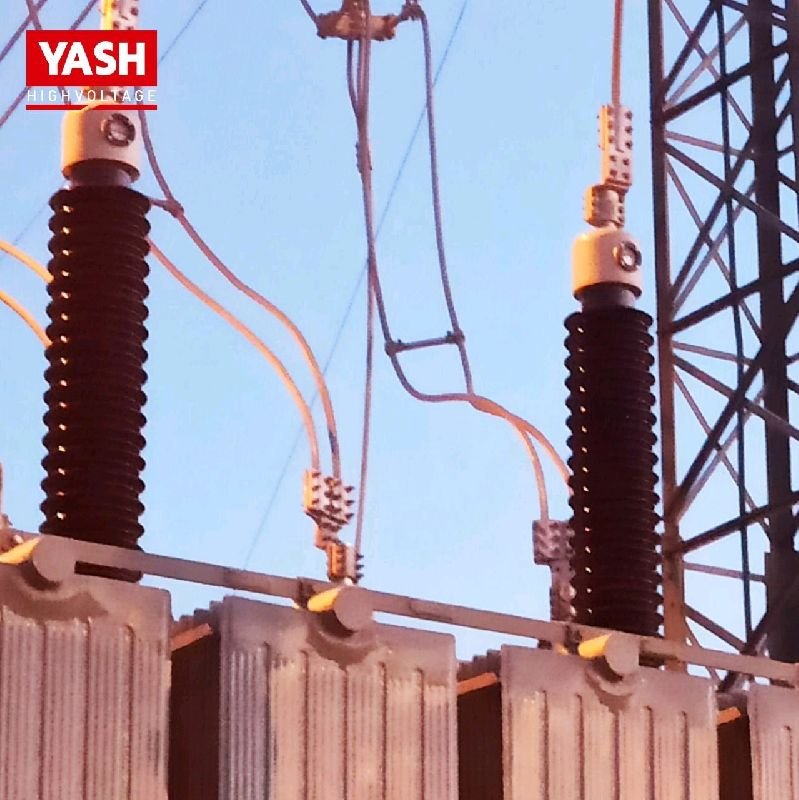
- Transformers
- Cooling systems
- Backup energy storage
3. Renewable Energy & Grid Expansion
Copper intensity by energy source:
| Energy Type | Copper per MW |
|---|---|
| Coal | ~1.5 tons |
| Solar | 5–6 tons |
| Wind | 3–4 tons |
Renewables require:
- More wiring
- Distributed grids
- Long-distance transmission
The cleaner the grid becomes, the more copper it needs.
4. Defense & Strategic Industries
Global defense modernization adds:
- 1–2 million tons of copper demand
- Used in:
- Naval systems
- Aerospace wiring
- Ammunition
- Radar & electronics
This demand is price-insensitive, meaning it continues even at higher copper prices.
Supply Side: Why Copper Cannot Keep Up
1. New Mines Take Decades
Building a major copper mine requires:
- 15–20 years
- $5–10 billion in capital
- Long environmental & legal approvals
Example:
- Resolution Copper (Arizona, USA)
- Discovered over 20 years ago
- Still not operational due to permitting delays
2. Declining Ore Grades
For every ton of copper mined today:
- Only 0.5–0.7 tons of new reserves are discovered
This means:
- More rock moved
- Higher costs
- Lower returns on capital
3. China’s Processing Dominance
China controls:
- 50–60% of global copper refining
This creates:
- Geopolitical risk
- Supply chain fragility
- Strategic vulnerability for Western economies
Any trade disruption could instantly tighten global supply.
4. Recycling Helps — But Not Enough
Even with aggressive recycling:
- Recycled copper may reach 10 million tons
- This closes only ~⅓ of the supply gap
Recycling cannot replace primary mining at scale.
Copper Price Outlook: Why $20,000/Ton Is Plausible
Historical Context
Adjusted for inflation:
- Copper traded near $15,000/ton during past commodity supercycles
Today’s conditions are more extreme:
- Higher demand growth
- Slower supply response
- Higher geopolitical risk
Price Sensitivity Analysis
At $20,000 per ton:
- EV costs rise $3,000–$5,000 per vehicle
- Grid expansion becomes more expensive
- Renewable project margins compress
Ironically:
High copper prices could slow the energy transition, threatening climate targets.
Investment Implications for Investors
Who Benefits
- Copper miners with existing production
- Low-cost producers
- Companies with politically stable assets
Who Faces Risk
- EV manufacturers
- Renewable developers
- Infrastructure projects with fixed budgets
Key Risks to the Copper Bull Case
No investment thesis is risk-free.
Main downside risks:
- Global recession reducing short-term demand
- Technological substitution (unlikely at scale)
- Faster-than-expected mine approvals
However:
- These risks impact timing, not the long-term structural deficit
Long-Term Forecast (2025–2040)
| Factor | Outlook |
|---|---|
| Demand | Strong, accelerating |
| Supply | Constrained |
| Recycling | Helpful but insufficient |
| Prices | Structurally higher |
| Volatility | High |
Strategic Takeaway
Copper is no longer just an industrial metal.
It is:
- A strategic resource
- A geopolitical asset
- A critical bottleneck for electrification
The world is attempting to build:
- EVs
- AI infrastructure
- Renewable grids
- Defense systems
All at the same time.
And all of them need copper.
Final Thoughts
The move from $8,500 to $13,000 per ton was not speculative excess.
It was the market waking up to reality.
If supply constraints persist — and all evidence suggests they will —
$20,000 copper is not extreme. It is logical.
Disclaimer
This article is for educational purposes only. It is not investment advice. Please consult a financial advisor before investing.
Disclaimer: This article is for educational purposes only and not financial advice. Investors should do their own due diligence before investing.
Disclaimer: The projections of potential returns are based on current market conditions and company performance. Actual results may vary due to various factors, including market dynamics, economic conditions, and changes in the competitive landscape. Investors should conduct their own research and consult with financial advisors before making investment decisions.
Multibagger Stocks breakout stocks
High-growth green investments
⚠️ Not SEBI Registered—just here to share insights | 🚫 No paid services—everything shared is entirely free! 🧠 Always Learning and excited to grow together in this journey of market exploration.
📲 Join Our Investor Communities
🔹 Join our Telegram Channel: Multibagger Hunts
🔹 Join our WhatsApp Channel: Click to Join
✅ Free access
✅ Instant alerts
✅ Curated research for serious investors
TwitterXWhatsAppThreadsTelegramFacebookLinkedInGmailEmailShare