admin
admin
India Capex Cycle: Power & Infrastructure Stocks Outlook
The India Capex Cycle is accelerating across cement, power, metals, and infrastructure sectors. This shift is not random. Historically, when capital expenditure rises in core industries, downstream segments like transformers, HVDC, cables, automation, and rail logistics see order inflows within 2–4 quarters.
Understanding the India Capex Cycle helps investors position before earnings acceleration begins.
India’s capex cycle is accelerating again. Capital expenditure is clearly moving into cement, power, infrastructure, and metals.
While headlines focus on large project announcements, smart investors understand something deeper:
When capex expands in core sectors, downstream engineering and capital goods companies usually see order inflows 2–4 quarters later.
This article explains how the India capex cycle impact on power and infrastructure stocks could shape the next earnings phase — and where investors should focus.
1. Understanding the Current Capex Shift
India is witnessing synchronized capital spending across:
- 🏗 Cement capacity expansion
- ⚡ Power generation and transmission
- 🛣 Roads, railways, logistics
- 🔩 Metals & steel capacity upgrades
- 🏭 Industrial automation
This is not isolated spending. It is structural.
Why This Matters
When companies invest in cement plants, steel mills, or power plants, they require:
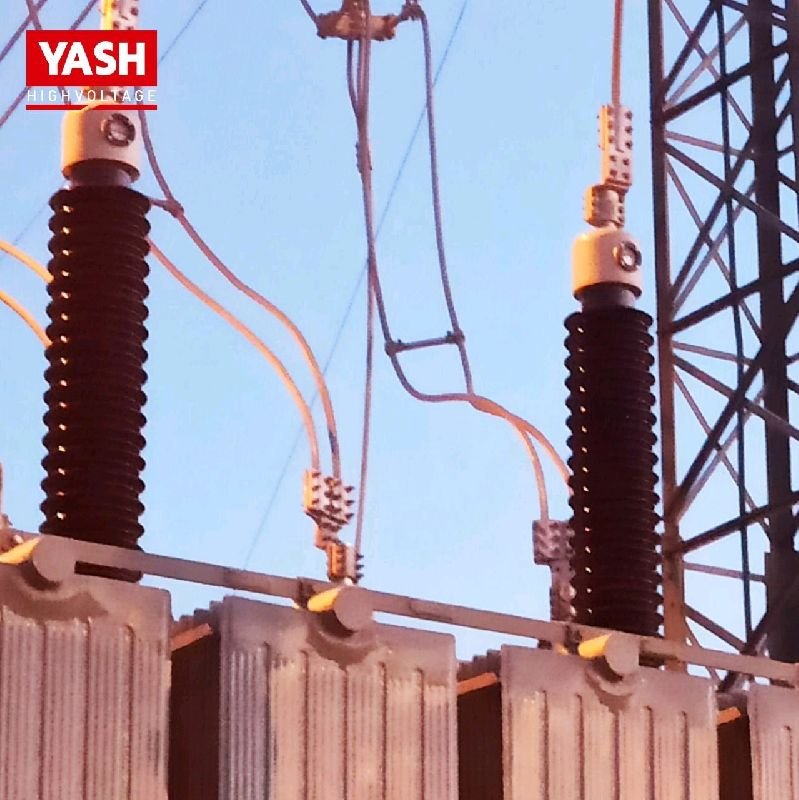
- High voltage transmission systems
- Transformers
- HVDC (High Voltage Direct Current) lines
- Industrial cables
- Switchgear
- Automation systems
- Rail logistics infrastructure
These are second-level beneficiaries.
2. The Capex Transmission Chain (How Money Flows)
Let’s simplify the capital flow cycle:
Step 1: Core Capex Announcements
- Cement companies announce new plants
- Steel companies expand capacity
- Government boosts infra budgets
- Power sector expands transmission corridors
Step 2: EPC Contracts
- Power EPC firms win projects
- Infra companies secure orders
- Transmission contractors mobilize
Step 3: Equipment Orders (2–4 Quarters Later)
- Transformer companies receive bulk orders
- Cable manufacturers see large tenders
- Automation players get plant orders
- Rail logistics firms benefit from freight demand
This lag effect is historically visible in previous capex cycles (2004–2008 and 2020–2022).
3. Why HVDC & Transformers Could Lead the Next Phase
India is rapidly expanding renewable capacity. Solar and wind capacity additions require:
- Long-distance transmission
- Grid stability solutions
- High-capacity transformers
- HVDC lines for bulk power evacuation
Structural Drivers
- Renewable energy targets
- Green hydrogen projects
- Industrial electrification
- Data center power demand
- EV charging infrastructure
HVDC systems become critical when transmitting bulk renewable power across states.
This creates a multi-year opportunity.
4. Power Sector Capex – A Silent Multiplier
India’s transmission sector is undergoing modernization.
Key drivers:
- Renewable corridor expansion
- Grid reliability upgrades
- Interstate transmission lines
- Smart grid deployment
Transmission capex typically benefits:
- Transformer manufacturers
- Cable companies
- Switchgear makers
- Grid automation firms
Unlike generation, transmission offers predictable returns through regulated models.
5. Cement & Metals Capex – Hidden Demand Engine
When cement capacity increases:
- Grinding units need heavy motors
- Kilns require automation
- Plants demand transformers
- Logistics infra needs rail connectivity
Similarly, metals expansion requires:
- Captive power plants
- Substations
- High voltage infrastructure
- Industrial cables
These investments create order visibility for capital goods players.
6. Rail Logistics – The Underestimated Link
Cement and steel movement happens via rail.
When capex rises:
- Freight corridors gain utilization
- Wagon demand rises
- Signaling systems expand
- Electrification increases
Railway electrification alone supports:
- Transformer demand
- Overhead equipment
- Cable manufacturers
7. Earnings Cycle Implication (2–4 Quarter Lag)
Historically, the pattern is:
| Phase | Impact |
|---|---|
| Capex Announcement | Sentiment improves |
| Order Award Stage | Order books expand |
| Execution Stage | Revenue growth accelerates |
| Margin Expansion | Operating leverage kicks in |
Investors positioning early usually benefit when:
- Order inflows surge
- Revenue visibility improves
- Operating margins expand
8. Financial Impact on Capital Goods Companies
When order books expand:
Revenue Growth
- Double-digit revenue growth becomes sustainable
- Execution improves quarterly performance
Margin Trends
- Operating leverage improves EBITDA margins
- Better absorption of fixed costs
- Pricing power increases in tight supply markets
Working Capital
- Large projects increase receivables
- Cash flow management becomes critical
9. Industry Positioning – Who Benefits Most?
Beneficiaries typically fall into categories:
1️⃣ Transmission & Power Equipment
- Transformers
- HVDC systems
- Switchgear
- Grid automation
2️⃣ EPC Companies
- Power EPC
- Infra EPC
- Rail EPC
3️⃣ Cable & Wire Manufacturers
- High voltage cables
- Industrial cables
- Renewable connectivity cables
4️⃣ Capital Goods & Automation
- Industrial drives
- Plant automation
- Smart control systems
10. Risks Investors Must Watch
Every capex cycle carries risks.
⚠ Policy Delays
Transmission projects can face regulatory delays.
⚠ Commodity Volatility
Copper and aluminum prices affect margins for cable manufacturers.
⚠ Execution Risks
Large order books don’t always mean smooth execution.
⚠ Working Capital Stress
Aggressive bidding may pressure balance sheets.
11. Comparing with Previous Capex Cycles
2004–2008 Cycle
- Massive infra boom
- Power capacity surge
- Capital goods stocks outperformed
2020–2022 Cycle
- PLI schemes
- Transmission modernization
- Renewable expansion
Current cycle appears broader and more diversified.
12. Structural vs Cyclical – What Is Different Now?
The current capex push differs because:
- Renewable energy transition is structural
- Data center power demand is secular
- EV ecosystem needs grid upgrades
- Government infra spending remains strong
This suggests multi-year visibility, not just a short-term boom.
13. Investment Strategy Approach
Investors may consider:
- Companies with strong order books
- Low debt balance sheets
- Execution track record
- Strong ROCE
- Export exposure
Avoid companies with:
- High receivables
- Weak cash flow
- Frequent equity dilution
14. Forward Outlook (Next 2–3 Years)
If current capex momentum sustains:
- Order inflows in transformers could surge
- HVDC pipeline may expand
- Rail electrification demand could accelerate
- Automation companies may benefit from industrial upgrades
Revenue growth could shift from single digit to mid-teens for select players.
Margin expansion could follow if commodity prices remain stable.
15. Long-Term Structural Tailwinds
The India capex cycle impact on power and infrastructure stocks is supported by:
- Energy transition
- Manufacturing push
- Infrastructure modernization
- Urbanization
- Logistics efficiency drive
These themes are aligned with national economic priorities.
Conclusion: Positioning Before the Earnings Wave
Capex flowing into cement, power, infra, and metals is rarely random.
It usually signals:
- Order book expansion ahead
- Revenue growth acceleration
- Operating leverage improvement
- Multi-quarter earnings visibility
The market often reacts before earnings reflect the shift.
Investors focusing on the India capex cycle impact on power and infrastructure stocks may find early positioning opportunities — provided they assess balance sheet strength and execution capability carefully.
⚠️ Disclaimer
This content is for educational purposes only and not financial advice. Please do your own research before investing.
Disclaimer
This article is for educational purposes only. It is not investment advice. Please consult a financial advisor before investing.
Disclaimer: This article is for educational purposes only and not financial advice. Investors should do their own due diligence before investing.
Disclaimer: The projections of potential returns are based on current market conditions and company performance. Actual results may vary due to various factors, including market dynamics, economic conditions, and changes in the competitive landscape. Investors should conduct their own research and consult with financial advisors before making investment decisions.
Multibagger Stocks breakout stocks
High-growth green investments
Solar Technology Analysis
⚠️ Not SEBI Registered—just here to share insights | 🚫 No paid services—everything shared is entirely free! 🧠 Always Learning and excited to grow together in this journey of market exploration.
📲 Join Our Investor Communities
🔹 Join our Telegram Channel: Multibagger Hunts
🔹 Join our WhatsApp Channel: Click to Join
✅ Free access
✅ Instant alerts
✅ Curated research for serious investors
TwitterXWhatsAppThreadsTelegramFacebookLinkedInGmailEmailShare