admin
admin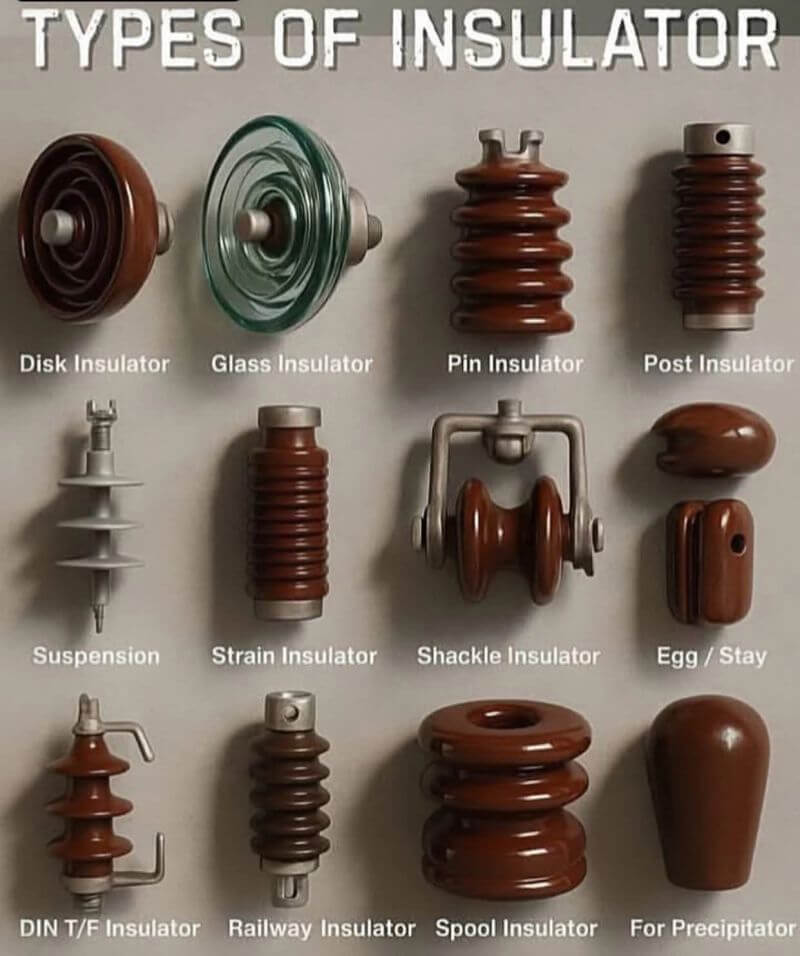
Insulator Sector Outlook: Structural Growth and Data Center Demand
1. Introduction: The Invisible Backbone of Power Infrastructure
The insulator sector outlook has shifted dramatically over the past two years. What was once considered a slow-moving, utility-adjacent industry is now attracting serious investor attention.
Recent commentary from companies like Quality Power Electrical Equipments Limited and the sharp margin expansion reported by Modern Insulators Limited have brought this sector into focus.
At the same time, the global expansion of AI-driven data centers and the broader power infrastructure cycle have created an unexpected demand shock.
For investors, this is no longer a commodity story. It is now a mix of:
- Structural transmission expansion
- Cyclical supply constraints
- Governance risks in select players
- Technology-driven demand shifts
This article provides a deep, original analysis of the insulator sector outlook, including materials, supply dynamics, company positioning, risks, and long-term investment implications.
2. Why Insulators Matter: The Physics Behind Grid Reliability
Before analyzing stocks, it is important to understand the product.
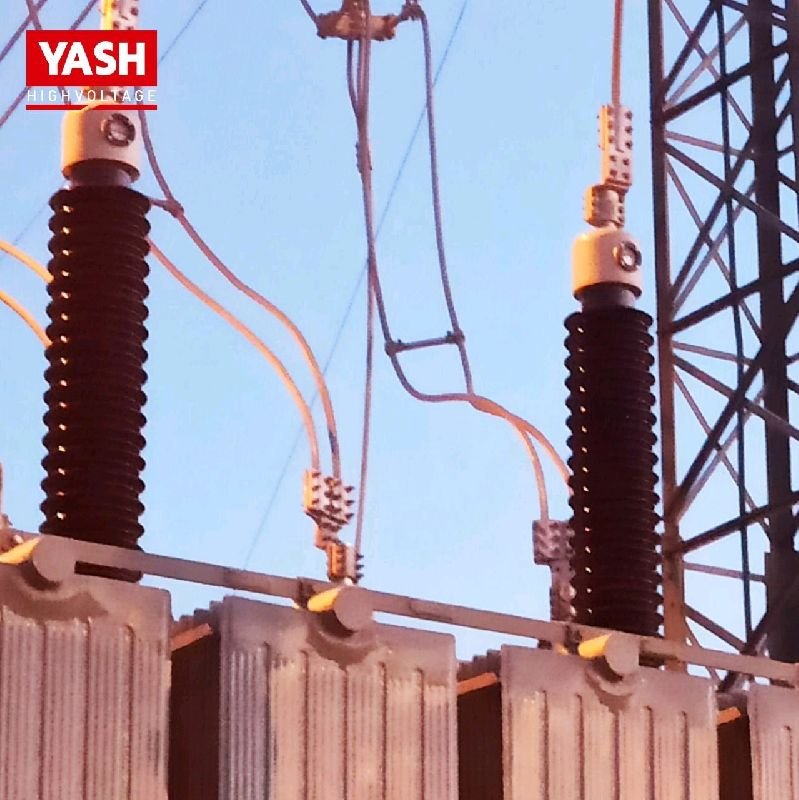
An insulator performs one core function:
It prevents electrical current from leaking from conductors to grounded metal structures.
Where insulators are critical:
- Transmission towers (metal structures)
- Transformer tanks (metal casings)
- Substation equipment
- High-voltage switchgear
- Indoor data center power infrastructure
If insulation fails, the consequences are severe:
- Lethal electric shock risk
- Grid shutdown
- Equipment destruction
- Cascading transmission failures
Flashover: The Hidden Risk
One of the biggest operational risks in high-voltage systems is flashover.
Flashover occurs when:
- Dust, salt, or moisture accumulates on the insulator surface
- The contamination layer becomes conductive
- Electricity “flashes” across the surface
This results in:
- Sudden outages
- System instability
- Costly downtime
As power density increases globally, the performance of insulators becomes more critical than ever.
3. Classification of Insulators: Material Dynamics and Market Share
The insulator market is divided into three primary categories. Each has different growth drivers.
3.1 Polymer (Composite) Insulators
Market Share: 45–50%
Why polymer gained dominance
- Hydrophobic surface (repels water)
- Lightweight
- Easy installation
- Lower transportation costs
- Ideal for outdoor and coastal environments
Polymer insulators perform extremely well in:
- Coastal grids
- Polluted industrial zones
- Long transmission corridors
Structural Demand Driver
Global transmission network expansion is the key growth driver.
Drivers include:
- Renewable energy integration
- Cross-border interconnections
- Rural electrification
- Ultra High Voltage (UHV) lines
Polymer is a structural story.
It is not dependent on temporary supply shortages.
3.2 Porcelain Insulators
Market Share: 35–40%
Porcelain was once viewed as a legacy product. Many believed it would gradually be replaced by polymer.
That assumption was wrong.
Why porcelain is resurging
- Fireproof material
- High mechanical strength
- Excellent indoor safety performance
- Strong durability under thermal stress
The Data Center Effect
AI-driven data centers require:
- Massive indoor power distribution
- High fire safety standards
- Reliable insulation in compact spaces
Polymer does not offer the same fire resistance.
As a result, porcelain demand has surged unexpectedly.
This shift has materially altered the insulator sector outlook.
3.3 Glass Insulators
Market Share: 10–15%
Glass insulators are mainly used in:
- Ultra High Voltage (UHV) lines
Their advantage:
- Transparency allows visual inspection
- Cracks are easily detectable
- Maintenance efficiency improves
Glass is a niche but stable segment.
4. The Data Center Shock: Supply-Demand Imbalance
For years, manufacturers expected a gradual transition from porcelain to polymer.
Instead, the opposite happened in indoor applications.
What changed?
- AI data centers require fireproof indoor distribution.
- Porcelain became essential.
- Industry capacity had not expanded in anticipation.
Lead Times Expanded
According to earnings discussions from Quality Power Electrical Equipments Limited:
- Historical lead time: 2 months
- Current lead time: Up to 12 months
This is a clear supply bottleneck.
Resulting Impact
- Margin expansion
- Pricing power for incumbents
- Order book visibility improvement
However, this also introduces cyclical risk.
Once new capacity is added, margins can normalize.
5. Structural vs Cyclical: Understanding the Two Stories
Structural Story (Long-Term)
Polymer/composite insulators benefit from:
- Global transmission upgrades
- Renewable grid integration
- High-voltage network expansion
- Electrification of transport
This demand is steady and multi-decade in nature.
Cyclical Story (Short-Term Spike)
Porcelain demand surge is driven by:
- Data center construction boom
- Supply shortage
- Long lead times
This phase is currently in a “high stage.”
Investors must monitor:
- New capacity announcements
- Lead time reduction
- Price stabilization trends
6. Company-Level Analysis: Opportunities and Red Flags
6.1 Modern Insulators Limited
Modern Insulators Limited
Positives
- Major porcelain exporter
- Beneficiary of supply crunch
- Record margins
Governance Red Flags
- Interest-free loans to promoter-linked Modern Denims
- Pending NCLT merger scheme
Governance risk cannot be ignored.
Even in a strong industry cycle, capital misallocation can destroy shareholder value.
Investment Lens: High margin visibility but elevated governance risk.
6.2 MMP Industries
MMP Industries Limited
Strategic Positioning
- Structural polymer/composite play
- ₹40 crore capex for silicone insulators
- Validation of 400kV samples with PGCIL
- State utility approvals in MH, GJ, CG, HP
Technology Advantage
- Joint venture with Toyo Japan
- Improving product acceptance
Risks
- Margins impacted by factory fire
- Current margin range: 6–11%
- Normalization expected by FY27
Investment Lens: Execution-driven opportunity. Watch approvals and capacity ramp-up.
6.3 Olectra Greentech
Olectra Greentech Limited
Although widely known for EV buses, its insulator division is highly profitable.
Margin Expansion
- FY23 PBT margin: 17%
- FY25 PBT margin: 25%
- Q3 FY26 PBT margin: 32%
The insulator business acts as a:
- Cash cow
- Stability anchor
- Capital provider for EV expansion
Investment Lens: Balanced exposure to insulator growth and EV structural theme.
7. Key Risks in the Insulator Sector Outlook
Investors must track the following:
1. Capacity Overbuild
- Rapid expansion could compress margins
- Lead times may normalize
2. Commodity Pricing
- Porcelain input costs
- Silicone and polymer raw materials
3. Governance
- Promoter transactions
- Related-party dealings
- Capital allocation discipline
4. Technology Shift
- If polymer improves fire resistance, porcelain demand may soften
8. What to Monitor Going Forward
To evaluate the insulator sector outlook effectively, track:
- Lead time trends
- Order book growth
- Capex announcements
- Export order share
- Margin sustainability
- Utility approval timelines
9. Investment Framework: How to Position
Conservative Investors
- Prefer structural polymer exposure
- Look for strong governance
- Focus on export diversification
Tactical Investors
- Play porcelain margin cycle
- Enter during peak demand visibility
- Exit before capacity normalization
10. Broader Industry Context
The insulator sector is indirectly linked to:
- Renewable energy rollout
- Grid modernization
- AI infrastructure growth
- Power super-cycle
For deeper understanding of grid expansion trends, refer to:
- International Energy Agency power outlook
https://www.iea.org/reports/world-energy-outlook
You may also read our internal analysis on power infrastructure growth here:
11. Final Takeaway: Structural Base, Cyclical Opportunity
The insulator sector outlook is no longer boring.
It now combines:
- Structural polymer-driven transmission growth
- Cyclical porcelain margin spike
- Data center-led demand surprise
- Governance differentiation
Clear Summary
- Polymer = Long-term structural play
- Porcelain = Short-term cyclical spike
- Governance = Critical filter
- Capacity expansion = Key risk
Investors who understand both physics and financials will be better positioned.
The invisible component of the grid is now visible in earnings.
⚠️ Disclaimer
This content is for educational purposes only and not financial advice. Please do your own research before investing.
Disclaimer
This article is for educational purposes only. It is not investment advice. Please consult a financial advisor before investing.
Disclaimer: This article is for educational purposes only and not financial advice. Investors should do their own due diligence before investing.
Disclaimer: The projections of potential returns are based on current market conditions and company performance. Actual results may vary due to various factors, including market dynamics, economic conditions, and changes in the competitive landscape. Investors should conduct their own research and consult with financial advisors before making investment decisions.
Multibagger Stocks breakout stocks
⚠️ Not SEBI Registered—just here to share insights | 🚫 No paid services—everything shared is entirely free! 🧠 Always Learning and excited to grow together in this journey of market exploration.
Green investment options
📲 Join Our Investor Communities
Shelter finance analysis
🔹 Join our Telegram Channel: Multibagger Hunts
🔹 Join our WhatsApp Channel: Click to Join
✅ Free access
✅ Instant alerts
✅ Curated research for serious investors
TwitterXWhatsAppThreadsTelegramFacebookLinkedInGmailEmailShare