admin
admin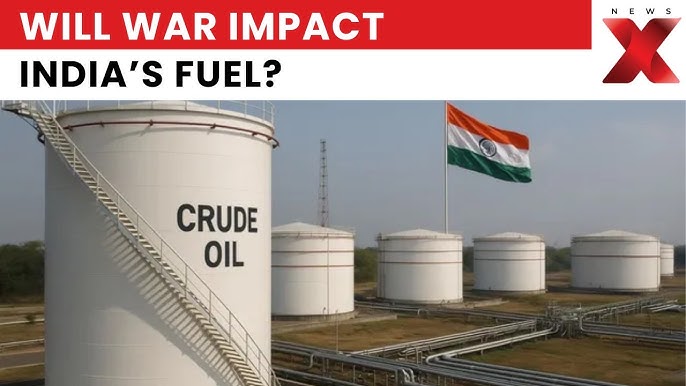
India Fuel Price Strategy During Oil Shock: Government Moves to Protect Economy
Introduction
India’s fuel strategy is becoming a key topic as global oil markets turn volatile. The India fuel strategy aims to prevent immediate petrol and diesel price hikes even if crude oil rises toward $100–$130 per barrel. Government sources indicate that policymakers want to absorb the first shock from global oil volatility to protect consumers, control inflation, and maintain economic stability.
This approach reflects a broader India fuel price strategy during oil shock, designed to stabilize the domestic economy while maintaining energy security.
Rather than reacting immediately with price hikes, tax cuts, or subsidies, policymakers appear to be absorbing the first wave of global oil volatility through public sector oil companies and strategic supply planning.
For consumers, businesses, and investors, this move raises several important questions:
- How can India keep fuel prices stable despite rising crude oil?
- What does this mean for inflation and economic growth?
- Which sectors and companies could benefit from this strategy?
This detailed analysis explores the economic implications, policy decisions, industry impact, and future outlook of India’s fuel price strategy during a potential oil shock.
Key Government Signals on Fuel Prices
Recent government communications indicate a clear policy stance aimed at preventing immediate fuel price volatility.
Major Signals from Government Sources
- No immediate petrol and diesel price hike planned
- Even if crude oil rises to $100–$130 per barrel, retail fuel prices may remain stable
- No immediate plan to reduce excise duty
- No additional fuel subsidies planned
- No restrictions on petroleum product exports
- India currently has comfortable aviation fuel (ATF) stocks
- No immediate airfare hike expected
- Oil companies instructed to prioritize LPG production for domestic consumption
- India negotiating LPG imports with United States, Canada, and Australia
These signals collectively show a deliberate attempt to manage the initial oil shock without passing costs to consumers.
Why India Is Holding Fuel Prices Stable
India is the third-largest oil consumer in the world, importing roughly 85% of its crude oil needs.
Because of this dependence, oil price spikes can quickly translate into:
- Inflation
- Fiscal pressure
- Trade deficit expansion
- Currency depreciation
The government’s strategy aims to delay or soften this chain reaction.
Key Reasons Behind the Strategy
1. Controlling Inflation
Fuel prices directly influence inflation because transportation costs impact nearly every product.
If petrol and diesel prices rise:
- Food prices increase
- Logistics costs surge
- Manufacturing costs rise
- Retail inflation accelerates
By keeping fuel prices stable, the government can control inflationary pressures.
2. Protecting Economic Growth
India’s economy is currently experiencing strong growth momentum.
A sudden spike in fuel prices could:
- Reduce consumer spending
- Increase business costs
- Slow industrial activity
The current policy helps protect economic recovery and maintain consumption demand.
3. Avoiding Political and Social Pressure
Fuel price hikes often trigger public dissatisfaction.
Stabilizing prices during global volatility can help:
- Maintain consumer confidence
- Prevent social backlash
- Avoid panic in markets
How Oil Companies Absorb the Price Shock
If retail fuel prices remain stable while crude prices rise, oil marketing companies (OMCs) must absorb the losses.
Major Indian oil companies include:
- Indian Oil Corporation
- Bharat Petroleum Corporation Limited
- Hindustan Petroleum Corporation Limited
These companies typically adjust retail fuel prices daily based on crude oil prices.
However, during periods of volatility, governments often informally ask these companies to delay price revisions.
Possible Ways OMCs Manage Losses
- Temporary margin compression
- Profits from refining and exports
- Inventory gains
- Government policy support later
This mechanism helps delay price hikes for consumers.
India’s LPG Supply Strategy
Another critical element of the India fuel price strategy during oil shock is LPG supply security.
Government directives indicate that oil companies must prioritize LPG production for domestic consumption.
This is important because LPG is widely used in Indian households.
Why LPG Supply Is Critical
LPG is essential for:
- Cooking gas for millions of households
- Rural energy access
- Government welfare programs
The government is also diversifying LPG import sources.
Countries India Is Negotiating With
- United States
- Canada
- Australia
Diversifying suppliers helps reduce geopolitical risks and ensure supply stability.
For global energy data and analysis, readers can explore the International Energy Agency website.
Aviation Fuel and Airfare Stability
Another important signal from government sources is that India has comfortable aviation turbine fuel (ATF) stocks.
This suggests air travel costs may remain stable in the near term.
Airfare spikes typically occur when:
- Jet fuel prices surge
- Supply shortages occur
- Airlines pass costs to passengers
However, stable ATF stocks reduce the likelihood of immediate airfare increases.
This is important because the aviation sector is still recovering from pandemic disruptions.
Impact on Indian Economy
India’s strategy could have several macroeconomic implications.
Positive Effects
Lower Inflation
Stable fuel prices help keep:
- Food inflation controlled
- Logistics costs manageable
- Consumer prices stable
Stronger Consumer Demand
When fuel prices remain stable:
- Household budgets remain intact
- Spending on discretionary items continues
- Retail and services sectors benefit
Market Stability
Financial markets often react negatively to oil shocks.
By stabilizing fuel prices, the government helps prevent market panic.
Risks of This Strategy
While the approach has benefits, there are also potential risks.
Oil Company Financial Pressure
If crude prices stay high for too long, oil companies could face:
- Profit declines
- Cash flow pressure
- Lower refining margins
Fiscal Risks
Eventually, the government may need to:
- Reduce fuel taxes
- Provide financial support to OMCs
Both actions could affect government finances.
Currency Pressure
Higher oil import bills can weaken the Indian rupee.
This can increase costs for:
- Imports
- Industrial raw materials
- Foreign debt servicing
Sectoral Impact on Stock Market
Investors closely watch energy policy changes because they influence multiple sectors.
Potential Beneficiaries
Aviation Sector
Stable ATF prices support airlines.
Logistics Companies
Transport firms benefit from stable diesel prices.
Consumer Goods Companies
Lower logistics costs improve margins for FMCG companies.
Potentially Impacted Sectors
Oil Marketing Companies
Companies like Indian Oil Corporation and Bharat Petroleum Corporation Limited may see margin pressure.
Oil Exploration Companies
Companies involved in upstream oil production could benefit from higher crude prices.
India’s Energy Security Strategy
India has been strengthening its energy security through several initiatives.
Key Measures
- Strategic petroleum reserves
- Diversification of oil suppliers
- Expansion of renewable energy
- Electric vehicle adoption
India’s strategic oil reserves allow the country to manage temporary supply disruptions.
For deeper analysis of India’s energy transition and market trends, visit our internal research page:
Global Oil Market Outlook
Several factors are currently driving oil prices higher.
Major Drivers
- Geopolitical tensions
- Supply disruptions
- OPEC production decisions
- Rising global demand
If crude oil prices remain above $100 per barrel for an extended period, many countries may face economic pressure.
India’s proactive strategy helps buy time while markets stabilize.
What Could Happen Next
The government may adjust its strategy depending on how oil markets evolve.
Possible future actions include:
If Oil Prices Rise Further
- Temporary tax cuts
- Strategic reserve usage
- Export restrictions
If Prices Stabilize
- Retail prices may remain unchanged
- Oil companies recover margins
- Inflation stays under control
Long-Term Energy Shift
The current situation highlights the importance of reducing oil dependence.
India is rapidly investing in:
- Solar power
- Wind energy
- Electric vehicles
- Green hydrogen
These investments could gradually reduce the economic impact of future oil shocks.
Key Takeaways
India’s response to rising oil prices shows a carefully balanced economic strategy.
Major Points
- Government wants to absorb the initial oil price shock
- Petrol and diesel prices may remain stable despite rising crude
- LPG supply is being prioritized
- Aviation fuel stocks remain comfortable
- Economic stability and inflation control are key goals
This India fuel price strategy during oil shock reflects a long-term approach focused on economic stability, energy security, and consumer protection.
Conclusion
Global oil volatility often creates economic uncertainty, especially for major importing nations like India.
However, the Indian government appears to be taking a calculated approach to fuel price management. By delaying price hikes and strengthening supply chains, policymakers aim to protect consumers and maintain economic momentum.
While this strategy may put temporary pressure on oil companies, it helps stabilize inflation, support growth, and prevent panic in financial markets.
Investors, policymakers, and businesses will now closely monitor how oil prices evolve and whether India’s strategy continues to hold in the months ahead.
Disclaimer
This article is for educational purposes only. It is not investment advice. Please consult a financial advisor before investing.
Disclaimer: This article is for educational purposes only and not financial advice. Investors should do their own due diligence before investing.
Disclaimer: The projections of potential returns are based on current market conditions and company performance. Actual results may vary due to various factors, including market dynamics, economic conditions, and changes in the competitive landscape. Investors should conduct their own research and consult with financial advisors before making investment decisions.
Multibagger Stocks breakout stocks
⚠️ Not SEBI Registered—just here to share insights | 🚫 No paid services—everything shared is entirely free! 🧠 Always Learning and excited to grow together in this journey of market exploration.
📲 Join Our Investor Communities
🔹 Join our Telegram Channel: Multibagger Hunts
🔹 Join our WhatsApp Channel: Click to Join
✅ Free access
✅ Instant alerts
✅ Curated research for serious investors
TwitterXWhatsAppThreadsTelegramFacebookLinkedInGmailEmailShare