admin
admin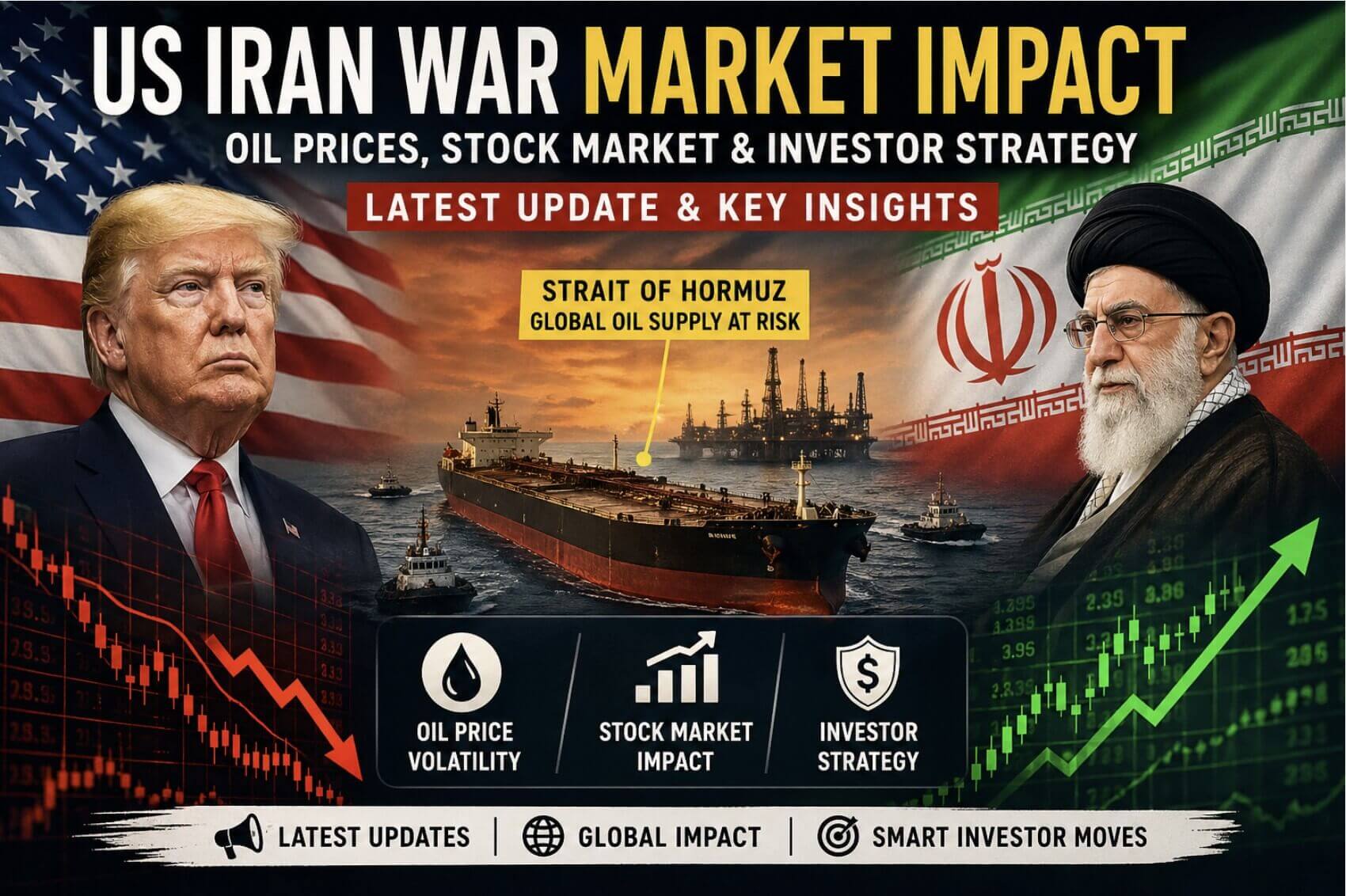
The latest updates on US–Iran tensions suggest a temporary pause rather than a full resolution. While Iran has proposed reopening the Strait of Hormuz, uncertainty still remains high. As a result, global markets are reacting cautiously instead of celebrating.
At the same time, Donald Trump is preparing for a key Situation Room meeting. Therefore, investors should expect continued volatility rather than stability.
What Happened? Clear Breakdown
First, Iran has offered a proposal through mediators.
In addition, the proposal includes reopening the Strait of Hormuz.
Moreover, nuclear talks are expected to be delayed instead of canceled.
However, this is not a peace agreement. Instead, it is a tactical move to reduce immediate pressure.
Why This Matters for Markets
To begin with, the Strait of Hormuz is one of the most important oil routes in the world. Nearly 20% of global oil supply passes through this narrow channel.
Because of this, even small disruptions can trigger major price spikes. On the other hand, reopening signals short-term relief.
Oil Market Impact Explained
Short-Term View
Initially, oil prices may cool down slightly. This is because supply fears reduce when the route reopens.
Medium-Term Risk
However, if talks fail later, oil prices could rise sharply again. In that case, markets may react negatively.
Key Insight
Overall, current prices reflect hope, not certainty.
Stock Market Impact (Sector-Wise Analysis)
1. Oil & Gas Stocks
When tensions rise, oil companies usually benefit. Higher crude prices improve margins.
However, if peace talks succeed, these stocks may correct.
2. Aviation Sector
Airlines face immediate pressure. Since fuel costs increase, profits decline quickly.
As a result, aviation stocks often fall during geopolitical tensions.
3. Defense Sector
On the positive side, defense companies gain from rising global tensions. Governments increase spending, which boosts long-term growth.
4. FMCG Sector
At first glance, FMCG looks safe. However, rising oil prices increase input costs. Therefore, margins may shrink.
5. IT Sector
The IT sector shows mixed trends. While global uncertainty slows spending, currency movements may support exports.
Impact on India
India depends heavily on oil imports. Therefore, rising crude prices create multiple challenges.
Key Effects:
- Higher inflation
- Weakening rupee
- Increased fiscal pressure
Consequently, sectors linked to consumption may face pressure.
Market Scenarios Investors Should Track
Scenario 1: De-escalation
If tensions reduce, markets may rally. In this case, risk appetite returns quickly.
Scenario 2: Continued Uncertainty
If talks drag on, volatility will remain high. As a result, sector rotation will continue.
Scenario 3: Full Conflict
If the situation worsens, global markets could fall sharply. Meanwhile, oil and gold may surge.
Investor Strategy (Simple & Actionable)
Short-Term Approach
- Focus on oil-related momentum
- Avoid high fuel-cost sectors
Long-Term Approach
- Buy quality stocks during dips
- Stay patient during volatility
Defensive Strategy
- Maintain exposure to energy and defense
Key Risks to Watch
At this stage, investors should closely monitor:
- Diplomatic developments
- Military activity in the Gulf
- Oil price movements
Additionally, sudden policy changes can shift market direction quickly.
Final Insight
Although the situation appears stable for now, risks remain high. In other words, this is not a resolution but a pause.
Therefore, smart investors should stay cautious while looking for selective opportunities.
Conclusion: High Risk, High Opportunity Phase
The US–Iran situation is entering a critical phase where diplomacy and conflict are both possible outcomes.
Final Takeaways:
- Short-term relief ≠ long-term stability
- Oil remains the biggest trigger
- Sector rotation will continue
- Smart investors focus on risk management + selective buying
Disclaimer: This article is for educational purposes only and not financial advice. Investors should do their own due diligence before investing.
Disclaimer: The projections of potential returns are based on current market conditions and company performance. Actual results may vary due to various factors, including market dynamics, economic conditions, and changes in the competitive landscape. Investors should conduct their own research and consult with financial advisors before making investment decisions.
Multibagger Stocks breakout stocks
⚠️ Not SEBI Registered—just here to share insights | 🚫 No paid services—everything shared is entirely free! 🧠 Always Learning and excited to grow together in this journey of market exploration.
📲 Join Our Investor Communities
🔹 Join our Telegram Channel: Multibagger Hunts
🔹 Join our WhatsApp Channel: Click to Join
✅ Free access
✅ Instant alerts
✅ Curated research for serious investors
TwitterXWhatsAppThreadsTelegramFacebookLinkedInGmailEmailShare