admin
admin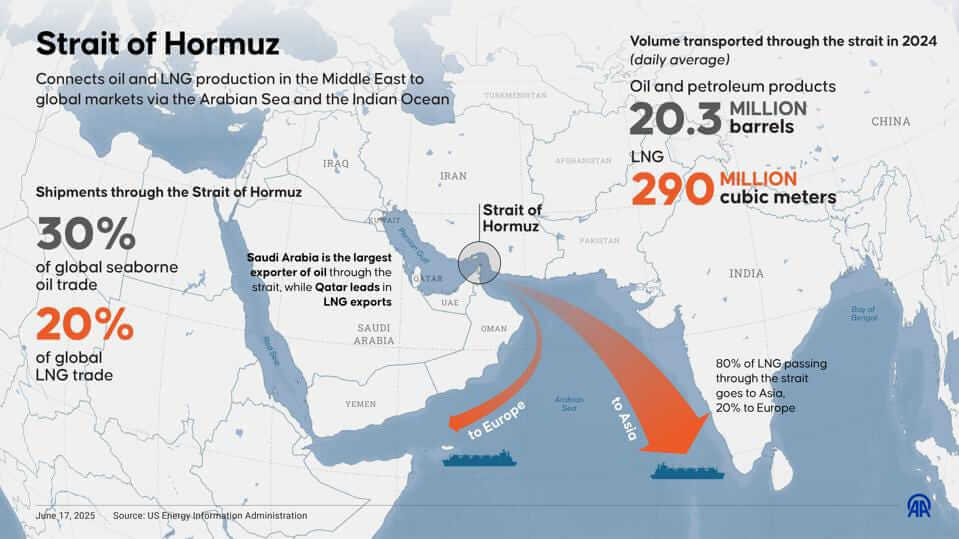
The Strait of Hormuz oil crisis has become the biggest global macro trigger this week. Oil prices surged sharply after geopolitical tensions escalated in the Middle East. As a result, investors are reassessing inflation risks, equity valuations, and global growth projections.
Although tanker movement is reportedly resuming, uncertainty remains high. Therefore, markets are pricing risk before confirmation.
This article explains the real oil price impact, sector rotation, India exposure, and 2026 outlook in a structured way.
Why the Strait of Hormuz Is So Critical
To understand the Iran Strait of Hormuz crisis oil price impact, you must first understand the location itself.
The Strait of Hormuz is one of the world’s most important oil shipping routes. Nearly 20% of global crude oil passes through this narrow waterway.
Because of this:
- Any disruption creates immediate supply fears
- Shipping insurance costs rise quickly
- Futures markets add a geopolitical premium
- Traders price risk before confirmation
Recently, reports suggested tanker movement was disrupted. Later, officials indicated movement may resume. Nevertheless, markets focus more on uncertainty than reassurance.
Oil at $75: Warning Signal or Normal Volatility?
Oil moved toward the $72–75 range. On its own, that price level is not alarming. In fact, it remains below historical crisis peaks.
However, what matters is the direction and speed of the move.
If oil stabilizes between $70–80:
- Inflation remains manageable
- Central banks stay flexible
- Equity markets digest the shock
On the other hand, if oil rises above $100:
- Inflation expectations increase sharply
- Bond yields may climb
- Stock valuations could compress
- Emerging markets may face currency pressure
Thus, the next price range is more important than the first spike.
How Higher Oil Translates into Inflation
Oil affects inflation in multiple stages.
First, fuel prices increase directly.
Second, transport costs rise.
Third, manufacturing expenses increase.
Finally, consumer prices adjust upward.
Consequently, inflation spreads gradually across the economy.
If oil remains elevated for several months, central banks may delay rate cuts. As a result, borrowing costs stay higher for longer.
That scenario would tighten financial conditions worldwide.
Impact on Global Equity Markets
In the short term, equity markets react emotionally. Therefore, sharp opening gaps are common after geopolitical shocks.
Historically, markets follow a pattern:
- Initial panic selling
- Volatility spike
- Sector rotation
- Gradual stabilization
Unless supply is permanently disrupted, corrections tend to be temporary.
Moreover, pullbacks often attract institutional buyers who missed earlier rallies.
Sector-Wise Impact Analysis
Energy Sector: Clear Short-Term Winner
Higher oil prices usually benefit:
- Exploration companies
- Upstream oil producers
- Energy exporters
Inventory gains can also support refining margins.
However, downstream fuel retailers may face pressure if governments cap prices.
Aviation & Logistics: Margin Risk
Because fuel is a major expense:
- Airlines may see margin compression
- Shipping costs may increase
- Logistics companies may struggle to pass costs quickly
Therefore, these sectors remain vulnerable if oil stays elevated.
FMCG & Consumer Goods: Gradual Impact
Initially, consumer companies absorb cost increases. Later, they pass price hikes to customers.
As a result:
- Short-term margins decline
- Medium-term pricing power becomes critical
Companies with strong brands handle inflation better than weaker players.
Precious Metals: Defensive Rotation
Gold and silver often rise during geopolitical stress.
Firstly, investors seek safety.
Secondly, currency volatility supports metals.
Additionally, inflation hedging demand increases.
However, if bond yields rise sharply, gold gains may slow.
Cryptocurrency Markets
Crypto markets react quickly to risk sentiment.
When equity futures drop sharply:
- Crypto often sees liquidation
- High-beta tokens fall faster
- Volatility expands
Nevertheless, recovery can also be rapid once fear subsides.
India-Specific Implications
India imports a large portion of its crude oil. Therefore, sustained oil increases affect:
- Trade deficit
- Rupee stability
- Inflation trajectory
- Fiscal planning
If oil crosses $90 and stays there:
- RBI flexibility reduces
- Imported inflation increases
- Consumer spending may slow
On the positive side, domestic upstream oil producers benefit.
Bond Market Reaction: Two Opposing Forces
The bond market faces a conflict.
On one side, risk-off sentiment encourages buying.
On the other side, inflation fears push yields higher.
If inflation dominates, bond yields rise. Conversely, if recession fears dominate, yields fall.
Thus, bond direction will signal which risk markets fear more.
Three Possible Scenarios
Scenario 1: Quick De-escalation
- Oil stabilizes below $80
- Markets recover quickly
- Volatility fades
Probability: Moderate
Scenario 2: Controlled Escalation
- Oil trades $80–90
- Equities correct 5–8%
- Energy outperforms
Probability: High
Scenario 3: Strait Blockade
- Oil spikes above $100
- Inflation shock emerges
- Global risk assets decline sharply
Probability: Low but impactful
Longer-Term 2026 Structural Effects
If tensions remain elevated, several long-term changes may follow.
Firstly, energy security becomes a priority.
Secondly, renewable investment accelerates.
Thirdly, defense budgets expand globally.
Additionally, countries may diversify supply routes to reduce dependence on narrow shipping channels.
Such changes could reshape capital allocation over the next few years.
What Investors Should Watch in the Next 48 Hours
Instead of reacting emotionally, focus on measurable indicators:
- Brent crude weekly close
- U.S. futures open
- Dollar index movement
- Volatility index trend
- Official tanker movement updates
Because markets move ahead of confirmed news, price action matters more than headlines.
Strategic Portfolio Positioning
During uncertain periods, discipline matters more than predictions.
Consider the following approach:
- Maintain diversification
- Add defensive exposure gradually
- Avoid excessive leverage
- Hold some inflation hedges
- Monitor liquidity conditions
Importantly, volatility creates both risk and opportunity.
Final Assessment
The Iran Strait of Hormuz crisis oil price impact is serious but not yet systemic.
If oil remains below $80, the shock is manageable.
If oil moves above $100 for an extended period, macro risks increase significantly.
At this stage, markets are pricing uncertainty rather than confirmed disruption.
Therefore, investors should focus on data, not fear.
⚠️ Disclaimer
This content is for educational purposes only and not financial advice. Please do your own research before investing.
Disclaimer
This article is for educational purposes only. It is not investment advice. Please consult a financial advisor before investing.
Disclaimer: This article is for educational purposes only and not financial advice. Investors should do their own due diligence before investing.
Disclaimer: The projections of potential returns are based on current market conditions and company performance. Actual results may vary due to various factors, including market dynamics, economic conditions, and changes in the competitive landscape. Investors should conduct their own research and consult with financial advisors before making investment decisions.
Multibagger Stocks breakout stocks
⚠️ Not SEBI Registered—just here to share insights | 🚫 No paid services—everything shared is entirely free! 🧠 Always Learning and excited to grow together in this journey of market exploration.
📲 Join Our Investor Communities
🔹 Join our Telegram Channel: Multibagger Hunts
🔹 Join our WhatsApp Channel: Click to Join
✅ Free access
✅ Instant alerts
✅ Curated research for serious investors
TwitterXWhatsAppThreadsTelegramFacebookLinkedInGmailEmailShare