admin
admin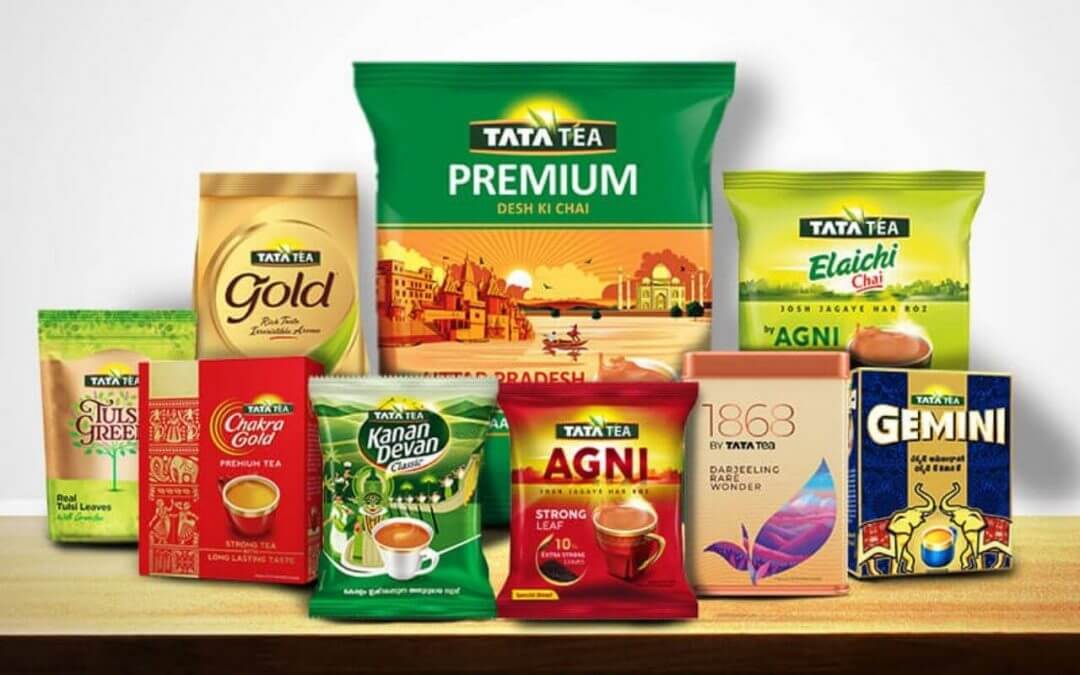
Tata Consumer Products Business Strategy: A Complete, High-Value Breakdown for Investors
Tata Consumer Products (TCPL) has transformed from a legacy tea manufacturer into one of India’s most powerful FMCG platforms. Backed by the Tata Group’s trust and scale, the company is now building a “Total Foods Platform”, aiming to own the consumer’s kitchen across breakfast, lunch, snacks, beverages, and wellness categories.
- Growth strategy
- Revenue mix
- Category leadership
- Acquisitions
- Distribution advantage
- Starbucks JV insights
- Key risks
- Long-term investment thesis
1. Introduction: From Tea Maker to Kitchen Powerhouse
Tata Consumer Products (formerly Tata Global Beverages) has undergone one of the most significant strategic transformations in India’s FMCG sector. The company shifted from being a commodity-driven tea player to becoming a diversified FMCG leader, with strong positions across beverages, staples, convenience foods, and health-oriented categories.
This pivot is part of a long-term plan to own the entire Indian kitchen—from morning tea to night-time snacking—through a portfolio of trusted, high-margin, and scalable brands.
2. Tata’s “Total Foods Platform” Evolution
TCPL’s Total Foods Platform revolves around:
- Capturing daily consumption occasions
- Expanding into high-growth food categories
- Leveraging the Tata brand trust
- Scaling high-margin adjacencies such as spices, pulses, and premium beverages
This model helps the company:
- Reduce dependence on tea
- Increase presence in underpenetrated packaged staples
- Bring informal, unbranded markets into the branded fold
This strategic approach differentiates TCPL from peers like HUL and Nestle, which are more focused on processed or impulse categories.
3. Barbell Growth Strategy Explained
One of the smartest pillars of Tata Consumer’s model is its Barbell Growth Strategy, which balances:
A. High-Growth India Business (Aggressive Investment)
- Rapid expansion into food staples
- Launching new beverage innovations
- Aggressive marketing
- Premiumisation initiatives
B. International Business (Stable Cash Cow)
- USA and UK coffee & tea brands generate steady cash flows
- Funds are reinvested into high-growth Indian operations
- Reduces earnings volatility
This balanced approach ensures consistent cash generation while still enabling high-growth bets in the domestic market.
4. Revenue Segment Breakdown & Category Analysis
A. India Beverages – 34% of Revenue (Anchor Category)
India Beverages remains the bedrock of TCPL’s brand equity and distribution strength.
Brand Architecture
- Economy Tier: Tata Tea Agni
- Mass Market: Tata Tea Premium (Desh Ki Chai positioning)
- Premium Tier: Tata Tea Gold, Tata Tea 1868
Strategic Insights
- Premiumisation improves margins
- Mass-market brand refreshes improve rural penetration
- Youth-oriented beverage launches (Gluco+, coffee variants) help modernize the portfolio
Coffee Expansion
The Tata Coffee Grand portfolio is steadily expanding, positioning TCPL as the #2 branded coffee player in India.
B. India Foods – 32% of Revenue (Fastest Growing Engine)
India Foods is now the company’s star performer, delivering 29% YoY growth, driven by:
1. Salt (40% Market Share)
- Tata Salt dominates with unmatched brand trust
- Strong pricing power shields margins
- New value-added products (low sodium, minerals) strengthen portfolio
2. Tata Sampann
- Capitalizes on poor quality perception of loose pulses & spices
- Positions itself as a higher purity, higher nutrition alternative
- Growing in double digits across metro and non-metro cities
3. Tata Soulfull
- A leader in the millets, kids nutrition, and healthy snacking segment
- Leverages millet demand surge post International Year of Millets
Why India Foods Matters
- Massive unorganized market ripe for brand conversion
- Higher margins vs. beverages
- Faster growth due to consumer shift toward packaged foods
5. Strategic Acquisitions: Fueling Premium, High-Margin Growth
TCPL’s acquisition strategy focuses on premium, high-growth, high-margin categories.
A. Capital Foods (Ching’s Secret, Smith & Jones)
- Entry into fast-growing Desi Chinese category
- Strong presence in sauces, noodles, masalas
- High marketing recall among young urban consumers
- Extremely synergistic with Tata’s distribution network
- Margin profile above 50% for many SKUs
B. Organic India
- Entry into health supplements & wellness retail
- Premium herbal teas, supplements, organic foods
- Access to niche, high-income consumer segments
- Complements TCPL’s long-term wellness strategy
Why These Acquisitions Matter
- Both are scalable businesses
- Help diversify from tea & salt
- Margin accretive to the portfolio
- Strengthen urban premium positioning
6. Starbucks JV Expansion: Long-Term Consumption Story
Tata Starbucks (50:50 JV) remains one of the strongest long-term bets in the premium urban consumption category.
Key Metrics
- FY25 revenue: ₹1,277 crore
- Target: 1,000 stores by 2028
- Store-level profitability achieved
- Negative bottom-line due to rapid expansion CAPEX
Strategic Overlaps with TCPL
- Strengthens beverage leadership
- Builds premium consumer connect
- Helps the brand tap into evolving café culture
Long-Term Outlook
Despite early-stage losses, the Starbucks JV is positioned to become a high-margin, large-scale retail chain in India over the next decade.
7. Distribution Superiority: The Backbone of Tata Consumer
A massive competitive strength for TCPL is its distribution architecture.
Key Distribution Advantages
- Presence in 4 million+ retail outlets
- Deep reach in rural and semi-urban markets
- Strong modern trade and e-commerce presence
- Split-route model with dedicated teams:
- Food salesmen
- Beverage salesmen
Impact on Growth
- Faster scaling of new acquisitions like Ching’s
- Strong command at general trade counters
- Higher throughput per distributor
8. Key Business Risks Investors Should Track
No investment story is complete without understanding risks.
1. Input Cost Volatility
- Tea and coffee prices are unpredictable
- Impacts beverage margins directly
2. Dependence on Rural Mass Market
- Rural slowdowns can impact tea and salt demand
3. Cultural Integration Risks
- Blending Capital Foods & Organic India cultures with TCPL culture could be challenging
- Execution risk around scaling premium brands
4. Competitive Pressures
- HUL strong in processed foods
- ITC aggressive in staples
Investors should monitor operational execution and market share movement closely.
9. Unique Staples-Driven Positioning vs. Competitors
Tata Consumer differentiates itself uniquely from FMCG giants.
TCPL vs HUL and Nestle
| Company | Core Strength | Focus Market |
|---|---|---|
| Tata Consumer | Everyday staples (tea, salt, pulses, spices) | Indian kitchens, unbranded-to-branded shift |
| HUL | Processed foods & personal care | Urban & mass market |
| Nestle | Packaged foods (noodles, dairy, chocolates) | Urban consumers |
Why Staples Matter for TCPL
- Huge unorganized segment
- High repeat usage
- High brand trust
- Lower competition vs. processed foods
This gives TCPL a durable edge in India’s consumption story.
10. Investment Thesis: Structural, Multi-Decade Growth Story
Tata Consumer Products offers a compelling investment story built on:
A. Formalisation of Indian Grocery Market
- Huge shift from loose to packaged
- Consumers prioritizing safety, hygiene, trust
B. Strong Brand Credibility
- Tata is India’s most trusted business house
- Helps convert unbranded market segments
C. Category Leadership
- #1 in salt
- #2 in tea
- #2 in coffee
- Fast-growing positions in pulses, spices, millets, and sauces
D. Margin Expansion Drivers
- Premiumisation
- High-margin acquisitions
- Operating leverage via distribution scale
E. Long-Term Outlook
TCPL offers a multi-decade compounding opportunity, enabled by:
- Expanding food portfolio
- Strong execution capabilities
- Scalable acquisitions
- Attractive macro tailwinds
Conclusion
Tata Consumer Products has emerged as a structural winner in India’s FMCG evolution, backed by:
- Strong category leadership
- Premium acquisitions
- A powerful distribution network
- Diversified revenue streams
- Long-term consumption tailwinds
Its focus on kitchen formalisation and health-oriented categories positions the company for sustained multi-year growth.
Disclaimer: This article is for educational purposes only and not financial advice. Investors should do their own due diligence before investing.
Disclaimer: The projections of potential returns are based on current market conditions and company performance. Actual results may vary due to various factors, including market dynamics, economic conditions, and changes in the competitive landscape. Investors should conduct their own research and consult with financial advisors before making investment decisions.
Multibagger Stocks breakout stocks
⚠️ Not SEBI Registered—just here to share insights | 🚫 No paid services—everything shared is entirely free! 🧠 Always Learning and excited to grow together in this journey of market exploration.
📲 Join Our Investor Communities
🔹 Join our Telegram Channel: Multibagger Hunts
🔹 Join our WhatsApp Channel: Click to Join
✅ Free access
✅ Instant alerts
✅ Curated research for serious investors


 admin
admin