admin
admin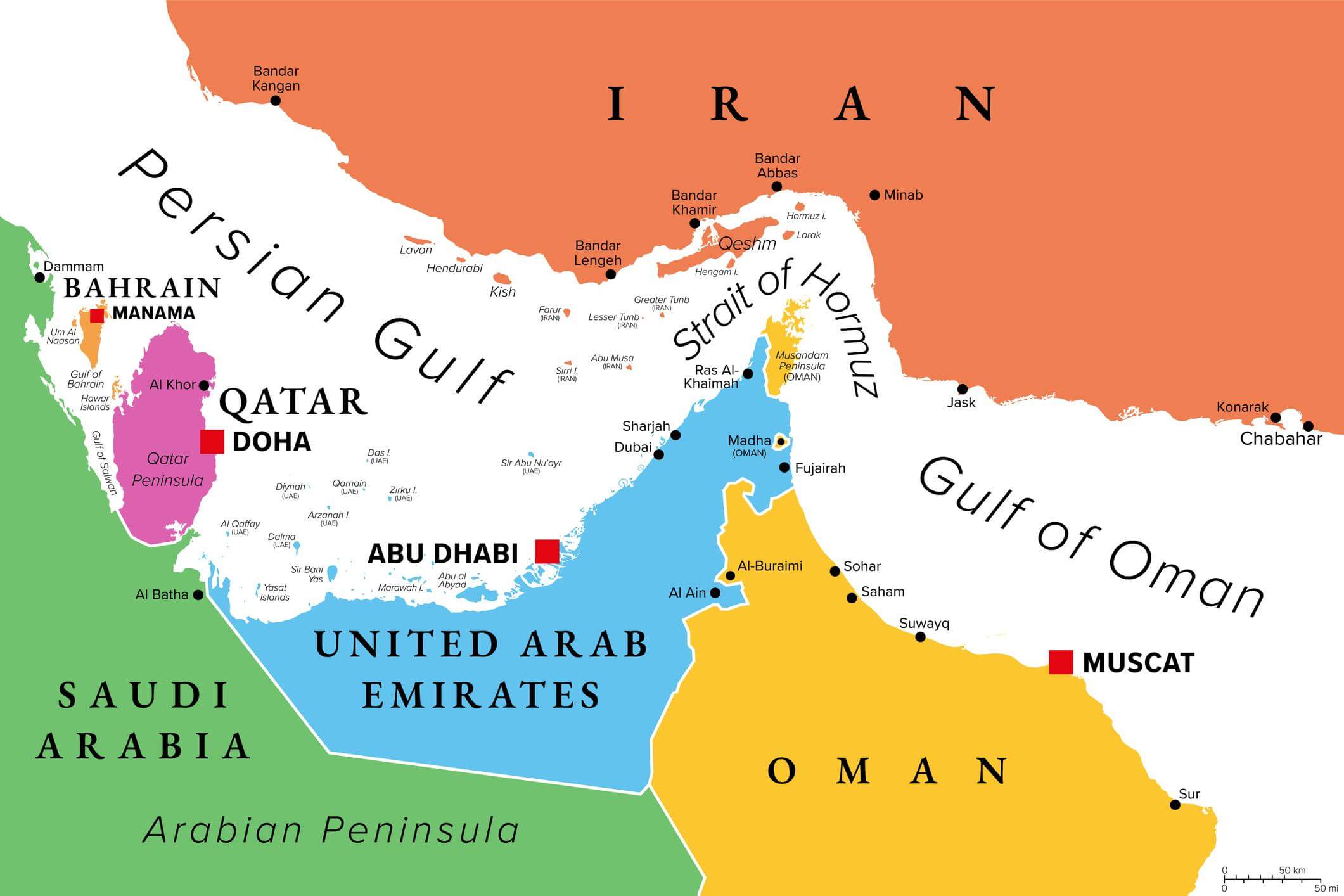
UAE Iran Conflict Escalation: Global Oil Shock & Market Impact
The UAE Iran conflict escalation is rapidly becoming one of the most critical geopolitical developments impacting global markets in 2026. With strong statements from Yousef Al Otaiba, aggressive rhetoric from Donald Trump, and strategic signals from the Pentagon, the situation is moving beyond diplomacy into a phase of economic and military positioning.
This is not just political news — it has direct implications for oil prices, global trade routes, stock markets, and investor sentiment.
What’s Happening Right Now? (UAE Iran Conflict Escalation: Strait of Hormuz Oil Risk)
- UAE rejects a simple ceasefire with Iran
- UAE demands broader resolution of Iranian threats
- Strategic focus shifts to reopening the Strait of Hormuz
- US signals possible major military escalation
- NATO reportedly less involved
- US may divert Ukraine aid toward the Middle East
- UAE commits $1.4 trillion investment into the US economy
Why the Strait of Hormuz Matters
The Strait of Hormuz is the single most important chokepoint in global oil trade.
Key Facts:
- ~20% of global oil passes through it
- Any disruption = immediate oil price spike
- Impacts India, China, Europe heavily
If Conflict Escalates:
- Oil prices can surge 20–50% quickly
- Shipping insurance costs rise
- Supply chains get disrupted
Geopolitical Analysis: What UAE’s Position Signals
The UAE rejecting a ceasefire is not a minor diplomatic move — it indicates:
1. Shift from Neutral to Strategic Player
- UAE is taking a firm stance against Iran
- Aligning more deeply with US interests
2. Economic Leverage Strategy
- $1.4 trillion investment commitment strengthens:
- US-UAE alliance
- Financial cooperation
- Defense partnerships
3. Long-Term Security Positioning
- UAE wants permanent threat removal, not temporary peace
Trump’s Statements: What They Mean for Markets
Statements from Donald Trump are unusually aggressive:
Key Signals:
- Claims Iran is “militarily weakened”
- Warns of a “final blow”
- Criticizes NATO inactivity
Market Interpretation:
- Higher probability of military escalation
- Reduced likelihood of quick diplomatic resolution
- Increased volatility across global markets
Pentagon Strategy: What Could Happen Next
The Pentagon preparing for a “final blow” suggests:
Possible Scenarios:
- Targeted airstrikes on Iranian infrastructure
- Naval operations in the Strait of Hormuz
- Cyber warfare escalation
- Full regional conflict (low probability but high impact)
Impact on Global Markets
1. Oil & Energy Sector
Bullish Factors:
- Supply disruption fears
- Strategic reserves tightening
Likely Winners:
- Oil companies
- Energy exporters
Risks:
- Sudden demand destruction if global slowdown follows
2. Indian Market Impact (Important for You)
India is highly sensitive to this situation.
Risks for India:
- Increased crude import bill
- Inflation spike
- Rupee depreciation
Sectors to Watch:
| Sector | Impact |
|---|---|
| Oil Marketing (IOC, BPCL) | Negative |
| Aviation | Negative |
| Paints & Chemicals | Negative |
| IT | Neutral |
| Defense | Positive |
3. Defense Sector Boom
Likely Beneficiaries:
- Defense manufacturers
- Drone companies
- Surveillance tech firms
India could also benefit from increased defense spending.
4. Stock Market Volatility
Short-Term:
- High volatility
- Panic selling possible
Medium-Term:
- Rotation into:
- Energy
- Defense
- Commodities
Investment Strategy: What Should You Do?
Short-Term Strategy
- Avoid panic selling
- Stay cautious in:
- Aviation
- Oil-dependent sectors
- Focus on:
- Oil stocks
- Defense stocks
Medium-Term Strategy
- Look for dips in:
- Quality large caps
- IT sector
- Monitor crude oil trend closely
Long-Term Strategy
- This conflict may accelerate:
- Energy transition
- Defense modernization
- Regional alliances
Risk Factors Investors Must Track
- Iran’s response (critical trigger)
- Strait of Hormuz closure risk
- US military escalation level
- China & Russia involvement
- Oil price movement
Future Outlook: 3 Possible Scenarios
Scenario 1: Controlled Escalation (Most Likely)
- Limited strikes
- Oil rises moderately
- Markets stabilize
Scenario 2: Full Conflict (High Impact)
- Hormuz disruption
- Oil spikes > $120
- Global markets crash
Scenario 3: Diplomatic Breakthrough (Low Probability)
- Oil falls
- Markets rally strongly
Key Takeaways for Investors
- UAE Iran conflict escalation is a global macro trigger
- Oil prices are the main indicator to watch
- Defense & energy sectors may outperform
- India faces inflation + currency pressure
- Volatility = opportunity for smart investors
Final Insight
This is not just a geopolitical headline — it is a market-moving event with long-term implications. The combination of UAE’s aggressive stance, US military readiness, and Iran’s uncertain response creates a situation where risk and opportunity coexist.
Smart investors will not react emotionally — they will track oil, monitor signals, and position early.
Disclaimer
This article is for educational purposes only. It is not investment advice. Please consult a financial advisor before investing.
Disclaimer: This article is for educational purposes only and not financial advice. Investors should do their own due diligence before investing.
Disclaimer: The projections of potential returns are based on current market conditions and company performance. Actual results may vary due to various factors, including market dynamics, economic conditions, and changes in the competitive landscape. Investors should conduct their own research and consult with financial advisors before making investment decisions.
Multibagger Stocks breakout stocks
⚠️ Not SEBI Registered—just here to share insights | 🚫 No paid services—everything shared is entirely free! 🧠 Always Learning and excited to grow together in this journey of market exploration.
📲 Join Our Investor Communities
🔹 Join our Telegram Channel: Multibagger Hunts
🔹 Join our WhatsApp Channel: Click to Join
✅ Free access
✅ Instant alerts
✅ Curated research for serious investors
TwitterXWhatsAppThreadsTelegramFacebookLinkedInGmailEmailShare