admin
admin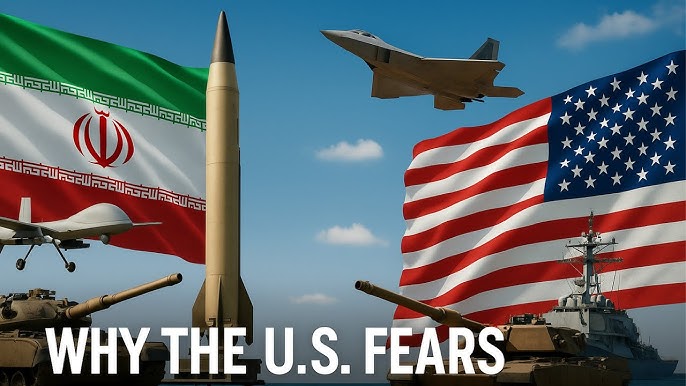
The USA–Iran War Impact is now the most critical geopolitical risk affecting oil prices and global markets. Rising tensions between the United States and Iran have triggered fears of supply disruption, inflation pressure, and possible recession risk.
Because the Middle East supplies a major portion of the world’s crude oil, even limited escalation can cause sharp volatility. Therefore, investors must understand how this conflict may influence oil, gold, stocks, currencies, and economic growth.
This in-depth guide explains the USA–Iran War Impact using structured analysis, risk scenarios, and practical investor strategy.
USA–Iran War Impact on Oil Prices
Oil reacts first during geopolitical conflict.
Iran produces close to 4 million barrels per day. In addition, nearby Gulf producers export crude through the Strait of Hormuz. If that route faces disruption, markets react instantly.
Possible immediate consequences:
- Higher tanker insurance premiums
- Reduced shipping confidence
- Supply tightening
- Speculative futures buying
Oil Price Scenarios Under USA–Iran War Impact
Scenario 1: Short Conflict
- Oil rises 10–20%
- Prices stabilize after clarity
Scenario 2: Extended Tension
- Oil may cross $110
- Inflation expectations increase
Scenario 3: Severe Escalation
- Oil could reach $120–150
- Global recession probability rises sharply
USA–Iran War Impact on Global Stock Markets
Equity markets respond quickly to geopolitical stress.
Initially, investors shift toward safer assets. As a result, major indices may fall while volatility rises.
Potential Market Winners
- Oil & Gas companies
- Defense manufacturers
- Gold mining firms
Potential Market Losers
- Airlines
- Chemical companies
- Automobile manufacturers
- Consumer discretionary brands
However, if the conflict remains contained, markets often recover within weeks.
USA–Iran War Impact on Inflation and Interest Rates
Oil directly affects inflation.
First, fuel prices rise.
Next, transportation costs increase.
Then, food and manufacturing expenses move higher.
Consequently, inflation expectations climb.
If crude remains elevated for several months, central banks may delay interest rate cuts. Therefore, borrowing costs could stay high longer than expected.
USA–Iran War Impact on Gold and Safe Haven Assets
During geopolitical tension, investors look for stability.
Gold usually rises first. Silver often follows later. Meanwhile, bond yields may fall as capital moves into safer instruments.
However, emotional buying at price peaks carries risk. Gradual allocation works better than panic entry.
USA–Iran War Impact and Recession Probability
Not every conflict causes recession. Duration matters more than headlines.
| Oil Level | Duration | Economic Risk |
|---|---|---|
| $90–100 | Short term | Low |
| $100–120 | 2–3 months | Moderate |
| $120+ | 3+ months | High |
Therefore, monitoring both oil level and time period is essential.
Strategic Risk: Strait of Hormuz
Nearly 20% of global oil trade flows through this narrow route.
If disruption occurs:
- Energy-importing countries face currency pressure
- Shipping costs increase
- Inflation spreads globally
Even limited instability in this corridor can cause sharp price swings.
Investor Strategy During USA–Iran War Impact
Instead of reacting emotionally, investors should follow a structured plan.
Step 1: Evaluate Portfolio Exposure
- Identify oil-sensitive holdings
- Reduce excessive leverage
- Rebalance risk
Step 2: Diversify Carefully
- Add limited energy exposure
- Consider gradual gold allocation
- Maintain liquidity
Step 3: Monitor Key Indicators
- Brent crude prices
- Inflation data
- Bond yields
- Central bank commentary
Most importantly, avoid decisions based purely on unverified online reports.
Key Takeaways
- Oil is the primary transmission channel
- Inflation risk rises if crude stays elevated
- Gold benefits from uncertainty
- Recession depends on duration, not headlines
- Discipline is more important than speed
USA–Iran War Impact on Oil Prices and Global Markets – Full Strategic Analysis
The latest reports of coordinated strikes involving the United States of America and Israel targeting facilities inside Iran have dramatically escalated geopolitical tensions in the Middle East.
If confirmed and sustained, this marks a critical inflection point in global geopolitics. Markets are already pricing in:
- Extreme oil volatility
- Flight to safe-haven assets
- Risk-off sentiment in equities
- Potential global recession if the conflict expands
This article provides deep, structured analysis of the USA–Iran war impact on oil prices and global markets, focusing on macroeconomic consequences, energy disruptions, asset allocation strategy, and forward-looking risk scenarios.
1️⃣ Strategic Context: Why This Conflict Is Different
This is not a routine regional flare-up.
Unlike proxy conflicts in previous years, direct involvement by the United States significantly changes the geopolitical calculus.
What makes this escalation serious?
- Alleged strikes near government and security facilities
- Multi-wave coordinated military operations
- Potential targeting of intelligence headquarters
- Risk of retaliation across the Gulf region
- Strategic chokepoint risk: Strait of Hormuz
Iran sits at the heart of the global energy supply chain. Any sustained military disruption could immediately impact oil exports across the Gulf.
2️⃣ Military Capability Comparison: USA vs Iran
While defense budgets show a massive disparity, asymmetric warfare matters more than raw numbers.
| Category | USA | Iran |
|---|---|---|
| Defense Budget | $895B | $15.4B |
| Active Personnel | 1.3M | 610K |
| Aircraft Fighters | 1,790 | 188 |
| Aircraft Carriers | 11 | 0 |
| Submarines | 70 | 25 |
| Nuclear Warheads | 5,244 | 0 |
Key Insight:
- The United States dominates in conventional power.
- Iran’s strength lies in asymmetric strategy: missile systems, drones, regional proxies, and potential disruption of shipping lanes.
Markets react not to who is stronger — but to how long disruption lasts.
3️⃣ Oil Market Impact: The Immediate Shock
Why Oil Is the First Casualty
The Middle East accounts for nearly 30% of global oil supply. Iran alone produces around 3.9 million barrels per day.
More importantly:
- Strait of Hormuz handles ~20% of global oil trade.
- Saudi Arabia, UAE, Kuwait, Iraq exports pass through the same corridor.
If hostilities escalate:
- Tanker insurance premiums surge
- Shipping slows
- Strategic reserves may be tapped
- Speculative buying increases volatility
Short-Term Oil Scenarios
Scenario 1: Limited Conflict (2–4 weeks)
- Oil spikes 10–20%
- Then stabilizes
- No structural supply shock
Scenario 2: Strait Disruption
- Oil could spike 30–60%
- Inflation reaccelerates globally
- Central banks delay rate cuts
Scenario 3: Multi-Country Combat
- Severe supply disruption
- $120–$150 oil possible
- Stagflation risk
The USA–Iran war impact on oil prices and global markets will depend on whether energy infrastructure becomes a sustained target.
4️⃣ Inflation & Global Recession Risk
Higher oil prices act like a tax on consumers.
Transmission Mechanism:
- Fuel prices rise
- Transportation costs increase
- Food inflation rises
- Manufacturing margins shrink
- Consumer demand slows
If crude remains elevated for 3–6 months:
- US inflation could reaccelerate
- Europe’s fragile recovery weakens
- Emerging markets face currency stress
Recession Risk Factors:
- Already tight monetary policy
- Weak Chinese growth
- Elevated sovereign debt levels
- Corporate refinancing pressures
Energy shock + tight liquidity = recession probability increases.
5️⃣ Stock Market Impact: Sector-Wise Analysis
🚀 Likely Beneficiaries
- Oil & Gas Producers
- Defense Contractors
- Gold Mining Companies
- LNG Exporters
⚠️ Vulnerable Sectors
- Airlines
- Paints & Chemicals
- FMCG (due to packaging costs)
- Auto manufacturers
- Emerging market banks
Investors should analyze exposure to energy input costs.
For deeper sector-based analysis, read our detailed guide on Energy Sector Outlook here:
👉 https://yourwebsite.com/energy-sector-analysis (Inbound Link Example)
6️⃣ Gold & Silver: Safe Haven Dynamics
Historically, geopolitical wars trigger:
- Gold inflows
- Silver volatility
- USD strength (initially)
- Bond yield decline (flight to safety)
If escalation continues:
- Gold may test previous highs
- Silver lags initially, then catches up
- Central banks may increase gold purchases
However, investors must avoid panic buying at peaks.
7️⃣ Currency Market Reactions
In risk-off environments:
- US Dollar strengthens
- Emerging market currencies weaken
- Oil-importing nations suffer
Countries like India, Japan, and Europe are highly sensitive to oil spikes.
8️⃣ Strategic Chokepoint: Strait of Hormuz
Approximately 20 million barrels per day flow through this narrow passage.
If Iran attempts:
- Naval blockades
- Missile threats
- Drone harassment
Global energy security becomes unstable.
Even symbolic disruption can cause futures market panic.
9️⃣ Long-Term Geopolitical Realignment
If conflict sustains beyond 60–90 days:
- Oil trade may shift away from USD
- Strategic petroleum reserves could deplete
- Renewable transition accelerates
- Defense budgets globally increase
This could reshape global capital flows.
🔟 Investor Strategy Framework
Instead of emotional reactions, follow a structured approach:
Portfolio Risk Assessment
- Evaluate oil-sensitive holdings
- Check import-dependent companies
- Reduce over-leveraged positions
Tactical Allocation
- Partial hedge via energy exposure
- Gradual gold accumulation (not lump sum)
- Maintain liquidity
Avoid
- Over-trading volatility
- Panic selling quality assets
- Following social media rumors
1️⃣1️⃣ Oil Price vs Recession Probability Matrix
| Oil Level | Duration | Economic Impact |
|---|---|---|
| $90–100 | < 1 month | Manageable |
| $100–120 | 2–3 months | Growth slowdown |
| $120+ | 3+ months | Recession risk high |
The USA–Iran war impact on oil prices and global markets becomes critical only if oil remains elevated for extended periods.
1️⃣2️⃣ Is Global War Likely?
Currently, major global powers prefer containment.
Key variables to watch:
- Official confirmation of sustained operations
- Strait of Hormuz traffic data
- OPEC emergency meetings
- US Congressional authorization
- Iranian retaliation scope
Escalation is possible — but prolonged world war remains less probable unless multiple Gulf states enter direct combat.
1️⃣3️⃣ What Retail Investors Should Do Now
- Stay calm
- Avoid leverage
- Monitor oil futures
- Track inflation expectations
- Follow central bank commentary
Markets often overreact in the first 48–72 hours.
1️⃣4️⃣ Final Verdict: Volatility Ahead, Discipline Required
The USA–Iran war impact on oil prices and global markets is real — but its magnitude depends on duration and escalation breadth.
Short-term:
High volatility
Medium-term:
Energy-driven inflation risk
Long-term:
Geopolitical realignment possible
War headlines create panic. But sustained economic damage depends on supply chain disruption, not just military headlines.
📌 Key Takeaways
- Oil is the primary transmission channel
- Inflation risk rises if crude sustains above $110
- Gold benefits from uncertainty
- Recession depends on duration, not initial shock
- Stay diversified and disciplined
Disclaimer: This article is for educational purposes only and does not constitute investment advice.
⚠️ Disclaimer
This content is for educational purposes only and not financial advice. Please do your own research before investing.
Disclaimer
This article is for educational purposes only. It is not investment advice. Please consult a financial advisor before investing.
Disclaimer: This article is for educational purposes only and not financial advice. Investors should do their own due diligence before investing.
Disclaimer: The projections of potential returns are based on current market conditions and company performance. Actual results may vary due to various factors, including market dynamics, economic conditions, and changes in the competitive landscape. Investors should conduct their own research and consult with financial advisors before making investment decisions.
Multibagger Stocks breakout stocks
⚠️ Not SEBI Registered—just here to share insights | 🚫 No paid services—everything shared is entirely free! 🧠 Always Learning and excited to grow together in this journey of market exploration.
📲 Join Our Investor Communities
🔹 Join our Telegram Channel: Multibagger Hunts
🔹 Join our WhatsApp Channel: Click to Join
✅ Free access
✅ Instant alerts
✅ Curated research for serious investors
TwitterXWhatsAppThreadsTelegramFacebookLinkedInGmailEmailShare