admin
admin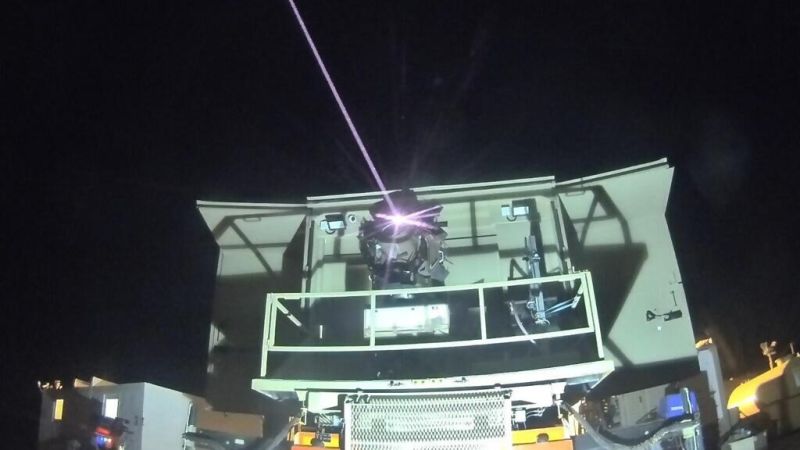
Iron Beam Laser Defense System: A New Era in Air Defense Technology
The Iron Beam laser defense system is one of the most discussed military technologies in modern warfare. Developed by Rafael Advanced Defense Systems, the system uses high-energy lasers to intercept rockets, drones, and mortar shells in mid-air.
With rising drone warfare and missile attacks worldwide, countries are looking for cheaper and faster air defense systems. Traditional interceptors such as those used in Iron Dome or the Patriot missile system cost tens of thousands to millions of dollars per launch.
By comparison, a laser system like Iron Beam can potentially intercept threats at only a few dollars per shot, making it one of the most disruptive innovations in modern defense technology.
However, despite the excitement, the reality is more complex. The Iron Beam laser defense system could transform battlefield economics, but it is not yet a complete replacement for traditional missile defense systems.
This article provides a deep analysis of the Iron Beam laser defense system, its technology, costs, advantages, limitations, and the future of laser-based warfare.
What Is the Iron Beam Laser Defense System?
The Iron Beam laser defense system is a directed-energy weapon designed to destroy aerial threats using a powerful laser beam instead of missiles.
It forms part of Israel’s multi-layered air defense network, which includes:
• Iron Dome – intercepts short-range rockets
• David’s Sling – intercepts medium-range missiles
• Arrow – intercepts long-range ballistic missiles
The Iron Beam system is designed primarily for short-range threats such as:
- Small rockets
- Mortar shells
- Artillery shells
- Drones and UAVs
- Low-altitude projectiles
Instead of launching a physical interceptor missile, the system tracks a target and focuses a high-energy laser beam on it until the structure fails.
How Laser Air Defense Works
Laser defense systems operate differently from traditional missile interceptors.
Step-by-Step Process
- Radar detects incoming threat
- Target tracking system locks onto object
- Laser generator focuses energy beam
- Beam heats target rapidly
- Target structure melts or explodes
The main advantage is speed. A laser beam travels at the speed of light, meaning there is no travel time compared with interceptor missiles.
Cost Comparison: Laser vs Missile Defense
One of the biggest advantages of the Iron Beam laser defense system is cost efficiency.
Estimated Interception Costs
| Defense System | Cost per Interception |
|---|---|
| Iron Dome interceptor | $40,000 – $60,000 |
| Patriot missile | $3M – $4M |
| Arrow interceptor | $2M – $3M |
| Iron Beam laser shot | $2 – $10 (electricity cost) |
Why This Matters
Modern wars increasingly involve mass drone and rocket attacks.
If a country launches 1,000 cheap drones, traditional missile defenses can become extremely expensive.
Laser systems dramatically reduce the cost of defending against mass attacks.
Why Countries Are Investing in Laser Weapons
Military experts believe directed-energy weapons will become a key component of future warfare.
Major powers investing in laser defense include:
• United States
• China
• Russia
• Israel
• India
For example, the United States Department of Defense is developing several laser systems for ships, aircraft, and ground defense.
The reasons for this investment include:
Key Advantages
• Extremely low cost per shot
• Unlimited ammunition (electricity dependent)
• Instant speed of engagement
• Reduced logistics for missile storage
• Effective against drones and rockets
These benefits make laser systems ideal for modern drone warfare.
Battlefield Advantages of the Iron Beam Laser Defense System
The Iron Beam system offers several tactical advantages.
1. Near-Zero Cost Defense
Missile interceptors are expensive.
Laser systems can operate at a fraction of the cost, enabling sustained defense operations.
2. Unlimited Ammunition
Traditional air defense systems must reload missiles.
Laser systems can fire continuously as long as electricity is available.
3. Instant Engagement
Missiles take seconds to reach their target.
Laser beams engage instantly at light speed.
4. Silent Operation
Unlike missile launches, laser weapons operate quietly and without explosive interceptors.
5. Ideal Against Drone Swarms
Drone swarms are becoming a major threat in modern warfare.
Laser defense systems can neutralize multiple drones quickly and cheaply.
Major Limitations of Laser Weapons
Despite the advantages, laser defense systems have significant technical limitations.
These limitations are often ignored in viral social media claims.
Weather Sensitivity
Laser effectiveness can be reduced by:
• Rain
• Fog
• Dust
• Smoke
• Clouds
Bad weather can scatter the laser beam and reduce power.
Limited Range
Most laser defense systems currently have short effective ranges.
Typical range estimates:
• 5–10 km for small targets
Missile systems can intercept threats hundreds of kilometers away.
Time to Destroy Target
A laser must remain focused on the target for several seconds to destroy it.
Missile interceptors can destroy targets almost instantly upon impact.
Power Requirements
High-energy laser systems require significant electrical power, which can limit mobility.
Can Iron Beam Replace Missile Defense Systems?
The short answer is no.
Laser systems are designed to complement missile defense, not replace it.
Laser Systems Are Best For
• Small rockets
• Mortar shells
• Low-flying drones
• Short-range threats
Missile Systems Are Still Needed For
• Ballistic missiles
• Hypersonic weapons
• Long-range threats
• High-altitude targets
This means the future of air defense will be a hybrid system combining missiles and lasers.
The Growing Drone Warfare Threat
Modern conflicts increasingly involve cheap drone attacks.
Recent wars have shown how drones can overwhelm traditional air defenses.
Drone attacks have been widely used in:
• Middle East conflicts
• Russia-Ukraine war
• Red Sea naval conflicts
Because drones are cheap to produce, attackers can launch hundreds or thousands simultaneously.
Laser defense systems offer a cost-effective solution to this emerging threat.
Economic Impact of Laser Defense Technology
The development of the Iron Beam laser defense system could reshape the global defense industry.
Key Industry Impacts
• Reduced demand for expensive interceptor missiles
• Growth in directed-energy weapon research
• Increased demand for advanced radar and targeting systems
• Expansion of military power generation technologies
Defense companies working on laser technologies could benefit significantly.
Future Developments in Laser Warfare
Military analysts expect laser weapons to improve rapidly over the next decade.
Key developments expected include:
More Powerful Laser Systems
Future systems may reach hundreds of kilowatts, enabling interception of larger threats.
Naval Laser Defense
Warships could use laser weapons for:
• drone defense
• missile interception
• anti-piracy operations
Airborne Laser Systems
Aircraft equipped with lasers could intercept threats before they reach their target.
Integration With AI
Artificial intelligence could help track and engage multiple targets simultaneously.
Global Laser Weapons Race
The success of the Iron Beam laser defense system has triggered a global race for similar technologies.
Countries actively developing laser weapons include:
• United States
• China
• Russia
• Israel
• India
• United Kingdom
These systems may become a standard component of military defense networks by 2035.
Investor Perspective: Defense Technology Trends
For investors tracking defense innovation, laser weapons represent a major technological shift.
Several sectors could benefit:
Potential Beneficiary Industries
• defense electronics
• laser manufacturing
• advanced optics
• radar systems
• power systems
Defense companies specializing in directed energy technology may see strong growth over the next decade.
Final Analysis: Is the Missile Age Really Over?
Claims that the Iron Beam laser defense system has ended the missile age are exaggerated.
However, the technology represents a major breakthrough in air defense economics.
Key Takeaways
• Laser defense dramatically reduces interception costs
• The technology is ideal for defending against drones and rockets
• Weather and range limitations still exist
• Missile systems remain essential for high-speed threats
• Future air defense will combine lasers and missiles
The Iron Beam laser defense system does not end missile warfare, but it marks the beginning of a new era in directed-energy weapons
Disclaimer
This article is for educational purposes only. It is not investment advice. Please consult a financial advisor before investing.
Disclaimer: This article is for educational purposes only and not financial advice. Investors should do their own due diligence before investing.
Disclaimer: The projections of potential returns are based on current market conditions and company performance. Actual results may vary due to various factors, including market dynamics, economic conditions, and changes in the competitive landscape. Investors should conduct their own research and consult with financial advisors before making investment decisions.
Multibagger Stocks breakout stocks
⚠️ Not SEBI Registered—just here to share insights | 🚫 No paid services—everything shared is entirely free! 🧠 Always Learning and excited to grow together in this journey of market exploration.
📲 Join Our Investor Communities
🔹 Join our Telegram Channel: Multibagger Hunts
🔹 Join our WhatsApp Channel: Click to Join
✅ Free access
✅ Instant alerts
✅ Curated research for serious investors
TwitterXWhatsAppThreadsTelegramFacebookLinkedInGmailEmailShare