admin

Executive Summary: The Structural Shift in Specialty Steel Wires
Bansal Wire Industries has transitioned from a conventional secondary steel processor into an integrated, cash-generative industrial powerhouse. In FY26, the company posted record top-line performance of ₹4,160 Crore, underpinned by disciplined volume expansion and an engineered shift toward high-margin specialty products.
Investors often view wire drawing as a cyclical, commoditized business plagued by volatile raw material spreads and aggressive working capital requirements. Bansal Wire’s operational blueprint challenges this stereotype. By institutionalizing a strict cost-plus pricing framework, maintaining a matched 40-to-45-day raw material hedge, and commissioning mega-scale capacity at its flagship Dadri facility, the company has decoupled volume growth from balance sheet risk.
       ┌────────────────────────────────────────────────────────┐
       │             Bansal Wire Growth Engine                 │
       └────────────────────────────────────────────────────────┘
                                    │
           ┌────────────────────────┼────────────────────────┐
           ▼                        ▼                        ▼
  Capacity & Scale         Margin Protection       Specialty Frontiers
  • 6.8L MTPA Capacity     • Cost-Plus Pass-thru   • India's Only Tyre Cord
  • Dadri Mega Plant       • 40-45 Day Hedge       • IHT Wires (15k MT)
  • 20-25% Headroom        • Insulated Spreads     • High-Margin B2C (10%)
The company generated ₹330 Crore in operating cash flow (OCF) in FY26, comfortably outpacing management’s initial guidance of ₹250 Crore by 30%. With two-year cumulative cash flow targets revised upward to ₹800 Crore, Bansal Wire is fully funding its ₹200–250 Crore annual capital expenditures through internal accruals. For fundamental investors tracking industrial steel sector valuation benchmarks, Bansal Wire represents a rare convergence of scale, operational leverage, and disciplined capital allocation.
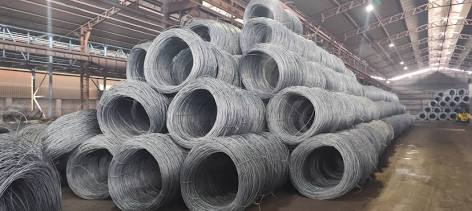
Raw material input: High-carbon wire rods. Source: SKS Ispat / Wire Rod Manufacturers in Kolkata
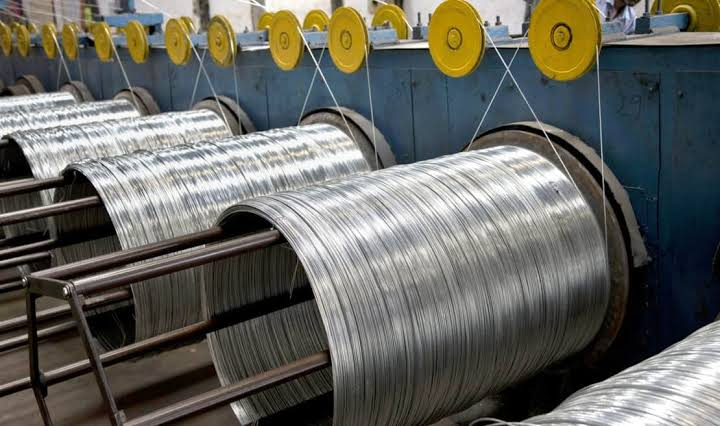
Continuous wire drawing and galvanizing. Source: Systematic Group / High-end GI Wire Manufacturing Company In Tirupati – Systematic …
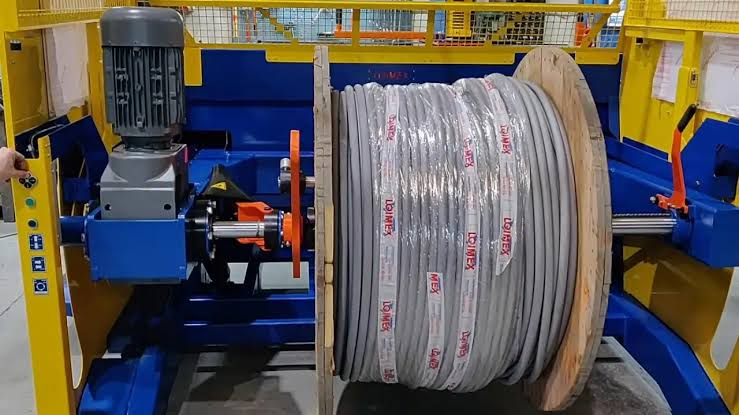
Automated high-precision spooling. Source: FhopePack / Optimizing Small Steel Wire Coil Production: A Report on Automated …
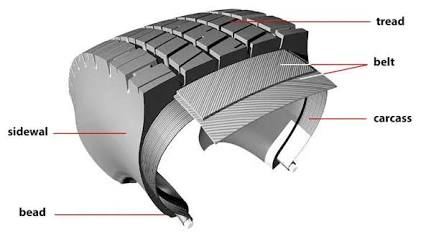
Automotive steel tyre cord architecture. Source: Yusheng Enterprise Limited / Steel Tyre Cord Fabrics – YUSHENG ENTERPRISE LIMITED
FY26 Financial Performance: Volume-Led Execution
Bansal Wire delivered double-digit growth across revenue, operating profit, and net earnings during FY26, driven by record throughput and operational efficiencies.
| Metric | FY25 | FY26 | YoY Growth (%) | Strategic Significance |
| Revenue from Operations | ₹3,495 Cr | ₹4,160 Cr | +19.0% | Driven by volume scale & premium SKU mix |
| Sales Volume | 3.88 Lakh MT | 4.58 Lakh MT | +18.0% | Market share gains across industrial verticals |
| EBITDA | ₹277 Cr | ₹324 Cr | +17.0% | Operating leverage offset initial Dadri ramp costs |
| EBITDA Margin | 7.92% | 7.79% | -13 bps | Resilient spread despite commodity cycles |
| Profit After Tax (PAT) | ₹146 Cr | ₹161 Cr | +10.3% | Lower debt service cushioned bottom-line growth |
| Debt-to-Equity Ratio | 0.58x | 0.39x | -19 bps | Balance sheet deleveraged post-IPO proceeds |
| Operating Cash Flow (OCF) | ₹184 Cr | ₹330 Cr | +79.3% | Surpassed guidance (₹250 Cr) by 30% |
Revenue Dynamics & Realization Health
Consolidated revenue expanded 19% YoY to ₹4,160 Crore, up from ₹3,495 Crore in FY25. This expansion was overwhelmingly volume-led rather than pricing-led. Total sales volumes hit a record 4.58 lakh metric tonnes (MT), representing an 18.0% increase over the previous fiscal.
Because Bansal Wire operates on a conversion-margin model rather than taking speculative inventory bets, top-line growth mirrors actual processing volume demand from over 5,000 institutional clients. The automotive, infrastructure, transmission, and general engineering verticals maintained resilient procurement cadences throughout the four quarters.
Profitability and Operating Leverage
Operating EBITDA grew 17% YoY to ₹324 Crore, demonstrating strong conversion control even as the company integrated initial lines at its newly expanded Dadri plant.
- Fixed Cost Absorption: Incremental volumes helped spread corporate overheads, power utilities, and direct labor costs across larger unit outputs.
- Depreciation & Finance Costs: Due to the capital-intensive nature of the 1.2 lakh MT Dadri expansion, depreciation charges climbed as lines were capitalized. However, net finance charges moderated significantly as short-term debt was paid down.
- PAT Trajectory: Net profit settled at ₹161 Crore (+10% YoY). Profit growth trailed EBITDA slightly due to depreciation scheduling from new asset additions, which will yield normalized operating leverage over FY27–FY28 as utilization rises.
Cash Flow Mechanics: The Self-Funded Growth Model
The defining highlight of Bansal Wire’s FY26 performance is the transformation of its working capital cycle and cash conversion ratio. Secondary steel manufacturing often consumes substantial cash during volume expansions, but Bansal Wire achieved the reverse.
Operating Cash Flow Analysis
- FY26 OCF Delivery: Operating cash flow reached ₹330 Crore, surpassing internal projections of ₹250 Crore by ₹80 Crore (a 32% beat).
- Q1 FY27 Momentum: The momentum accelerated into Q1 FY27, recording ₹120 Crore in operating cash flow in a single quarter. This run-rate confirms that structural working capital optimizations—rather than one-off inventory liquidations—are driving cash generation.
- Target Revisions: Reflecting this operational efficiency, management raised its rolling two-year OCF target from ₹600 Crore to ₹800 Crore.
De-leveraging and Capex Funding
Industrial firms typically take on leverage when deploying 100,000+ MT capacity expansions. Bansal Wire’s debt-to-equity ratio improved to 0.39x in FY26.
FY26 Operating Cash Flow: ₹330 Cr
  │
  ├── Annual Capex Budget: ₹200–250 Cr (100% Internally Funded)
  │
  └── Residual Free Cash Flow: Applied to Deleveraging & Working Capital Liquidity
With annual capex budgeted at ₹200–250 Crore, the company’s internal accruals comfortably cover all planned plant modernizations, balancing equipment installations, and specialty product lines without taking on additional long-term bank borrowings. This self-funding capability protects equity holders from dilution and shelters the profit statement from interest rate volatility.
Capacity Economics: The Dadri Mega-Facility Advantage
Manufacturing scale is the primary operational moat in the precision wire industry. Bansal Wire’s strategic focus centers on consolidating production into large, integrated complexes that yield logistical and manufacturing efficiencies.
       Total Installed Capacity: 6.8 Lakh MTPA
┌────────────────────────────────────────────────────────┐
│ Current Operating Volume: 4.58 Lakh MT (70% Util.)     │
├──────────────────────────────┬─────────────────────────┤
│ Target Utilization: 85–90%   │ Reserve Headroom: 20–25%│
│ (Near-term Runway)           │ (Agile Surge Buffer)    │
└──────────────────────────────┴─────────────────────────┘
Scale Metrics at Dadri
The completion of the 1.2 lakh tonne capacity expansion at Dadri pushed Bansal Wire’s total operational capacity to 6.8 lakh MTPA (Metric Tonnes Per Annum). Dadri now ranks as the largest single-location steel wire manufacturing plant in India.
- Quarterly Volume Benchmark: In Q3 FY26, total quarterly throughput crossed 1.21 lakh tonnes, validating the plant’s material handling, annealing, drawing, and packaging workflows.
- Economies of Scale: Operating a unified mega-facility reduces material transit costs, optimizes power consumption through bulk high-tension grid connections, and consolidates testing laboratories required for strict OEM audits.
The Strategic Utilization Buffer
Current utilization across facilities hovers around 70%, compared to management’s long-term target of 85–90%. Rather than running plants at 100% capacity and encountering operational bottlenecks, management intentionally preserves a 20–25% capacity headroom.
- 48-Hour Order Turnaround: Standard industrial wire orders require short delivery cycles. The capacity buffer enables Bansal Wire to fulfill sudden volume surges from Tier-1 auto component and infrastructure suppliers within 48 hours.
- Customer Retention: Competitors running at full capacity often turn down quick-turnaround orders. Bansal Wire uses its reserve capacity to capture unallocated market share during seasonal demand spikes.
Margin Insulation: How the Cost-Plus Model Mitigates Volatility
Steel processors are frequently exposed to inventory write-downs during cyclical downturns in base metal prices. Bansal Wire’s risk management architecture removes this commodity exposure.
┌─────────────────────────────────────────────────────────────┐
│                 Bansal Wire Hedging Engine                  │
├──────────────────────────────┬──────────────────────────────┤
│ Upstream Supply Hedge        │ Downstream Order Hedge       │
│ • Raw Materials = 80% Cost   │ • Contracted Customer Orders │
│ • 40–45 Days Physical Stock  │ • 40–45 Days Delivery Window │
├──────────────────────────────┴──────────────────────────────┤
│ Result: Spread Locked | Zero Net Commodity Exposure         │
└─────────────────────────────────────────────────────────────┘
The Cost-Plus Pricing Mechanism
Raw materials—primarily high-carbon, low-carbon, and stainless steel wire rods—comprise approximately 80% of total operating expenses.
- Formulaic Pass-Through: Contracts with institutional clients use pass-through pricing formulas. If benchmark wire-rod prices shift, the raw material delta is passed directly into the final per-tonne invoice price.
- Fixed Conversion Margin: Bansal Wire earns a fixed processing spread per metric tonne, insulating gross profit from the absolute price level of steel.
Matched 40–45 Day Inventory Hedging
To protect operating spreads against short-term price fluctuations:
- Procurement Synchronization: The company maintains raw material inventory covering 40 to 45 days of forward production.
- Order Book Alignment: This raw material stockpile is matched with committed customer sales contracts spanning the exact same 40 to 45-day window.
- Price Volatility Elimination: Because procurement costs and sales realizations are pegged concurrently, sudden price drops do not cause margin-eroding inventory losses, while price rallies do not generate temporary speculative gains. This stability produces steady cash flows across economic cycles.
Specialty Frontiers: Steel Tyre Cord & High-Value Wires
While standard galvanized and mild steel wires maintain the volume base, the primary engine for margin expansion is the specialty portfolio.
The Steel Tyre Cord Monopoly and Import Substitution
Bansal Wire is positioned as India’s only domestic manufacturer of steel tyre cord.
Radial tyres for passenger vehicles, commercial trucks, and off-highway equipment rely on ultra-high-tensile brass-coated steel cord to reinforce tyre carcasses and tread belts. Historically, Indian tyre manufacturers have relied heavily on imported steel cord from multinational suppliers in China, Southeast Asia, and Europe.
- Qualification Milestones: The company has completed commercial validation trials with two global tyre majors. The qualification cycle for tyre cord involves rigorous testing for fatigue resistance, brass-rubber adhesion, and tensile uniformity, creating high switching costs once approved.
- Commercialization Timeline: Initial commercial revenue is expected within 3 to 4 quarters.
- Import Substitution Moat: Domestic tyre companies face geopolitical supply chain risks, shipping freight delays, and currency exposure on imports. As an onshore producer, Bansal Wire offers shorter delivery lead times and lower working capital requirements for domestic tyre makers.
- Margin Impact: Steel tyre cord commands significantly higher gross margins than basic industrial wires, and its ramp-up will shift the overall corporate product mix toward higher-margin specialty applications.
Induction Hardened & Tempered (IHT) Wires Expansion
- Capacity Ramp: Bansal Wire is expanding its specialized IHT wire capacity from 9,000 MTPA to 15,000 MTPA.
- Target Applications: IHT wires are engineered for critical mechanical components, such as automotive engine valve springs, clutch springs, suspension elements, and precision engineering fasteners that require high fatigue thresholds.
- Economics: These wires command high realization premiums over standard drawn carbon wires, delivering stronger unit margins while utilizing the same foundational wire rod inputs.
B2C Retail Expansion: Farming, Fencing, and Brand Moat
Bansal Wire is broadening its market reach by expanding downstream into the branded retail (B2C) sector.
       Bansal Wire Revenue Split (FY26)
┌────────────────────────────────────────────────────────┐
│ Institutional B2B: ~90%                                │
│ (Auto, Infrastructure, Power, Engineering)             │
├──────────────────────────────┬─────────────────────────┤
│ Branded B2C Retail: ~10%     │ Growth Ambition:        │
│ (Fencing, Barbed, Farming)   │ Expand Retail Footprint │
└──────────────────────────────┴─────────────────────────┘
- Current Revenue Contribution: Branded consumer and agricultural products currently generate approximately 10% of total revenue.
- Core Product Portfolio: High-tensile agricultural wire, chain-link fencing, barbed wire, and galvanized rural utility wire sold through hardware distribution networks.
- Working Capital and Margin Advantages: B2C retail transactions typically operate on upfront cash or short credit terms, which lowers Days Sales Outstanding (DSO) compared to institutional OEM contracts. Branded agricultural wires also command retail pricing power, insulating margins from wholesale fluctuations.
- Customer Diversification: Broadening the consumer base shields the company from localized capex slowdowns in single industrial sectors.
Long-Term Growth Roadmap (FY27–FY28 Outlook)
Management has outlined an execution strategy aimed at compounding revenue and expanding market share.
Current Market Share (FY26): ~7%
        │
        ▼ (Targeted 20%+ Annualized Compounding)
Target Market Share: 10.0% Overall Indian Wire Sector
Strategic Priorities
- Targeting 10% Domestic Market Share: India’s overall steel wire industry is fragmented, with unorganized and regional mills losing ground to structured, quality-certified manufacturers. Bansal Wire plans to increase its market share from ~7% to 10%, drawing on its 6.8 lakh MT capacity base.
- Double-Digit Margin Target: By expanding higher-margin lines—such as steel tyre cord, IHT wires, and consumer retail products—the company aims to lift consolidated EBITDA margins from ~7.8% into double digits.
- Sustaining 20%+ Volume Growth: The 20–25% operational headroom at Dadri allows the company to support 20%+ annual volume growth without constructing greenfield facilities from scratch.
- Liquidity Enhancement: The board’s approval of a share split is designed to broaden the retail investor base, increase trading liquidity, and align the capital structure with the company’s expanded operating scale.
Comprehensive Risk & Sensitivity Analysis
A balanced investment analysis must account for operational, execution, and industry risks.
┌─────────────────────────────────────────────────────────────┐
│                       Risk Matrix                           │
├──────────────────────────────┬──────────────────────────────┤
│ Risk Factor                  │ Mitigating Operational Fact  │
├──────────────────────────────┼──────────────────────────────┤
│ Global Tyre Cord Delay       │ Sustained core B2B growth    │
│ Commodity Price Shocks       │ 40–45 day matched hedge      │
│ Capacity Overhang at Dadri   │ Flexible line reallocation   │
│ Client Concentration Risk    │ Top client accounts for <5%  │
└──────────────────────────────┴──────────────────────────────┘
- Tyre Cord Commercialization Timelines: While trials with two global tyre manufacturers have concluded successfully, automotive qualification processes are rigorous. Any delay in final commercial orders could push high-margin realization gains further out.
- Raw Material Inflation Transitions: Although the cost-plus mechanism provides effective structural insulation, sudden, sharp weekly spikes in domestic billet or wire rod prices can temporarily lag pass-through billing adjustments.
- Underutilization Drag: Carrying a 20–25% capacity reserve requires active fixed overhead management. If broader macroeconomic manufacturing growth moderates, unabsorbed plant costs could impact quarterly operating margins.
- Customer Diversification Safeguard: Fortunately, client concentration risk remains well-managed: no single customer accounts for more than 5% of total sales, and no single sector represents more than 25% of consolidated demand.
Official disclosures and exchange filings can be reviewed directly via Bansal Wire Investor Relations.
Actionable Takeaway for Fundamental Investors
Bansal Wire’s FY26 financial results demonstrate that the company is successfully executing its transition from a volume-focused wire processor into a diversified specialty manufacturer.
- Clean Balance Sheet: Low leverage (0.39x Debt/Equity) provides resilience against interest rate cycles.
- Internally Funded Growth: Generating ₹330 Crore in OCF against a ₹200–250 Crore capex plan prevents equity dilution and debt escalation.
- Visible Growth Pipeline: The Dadri plant’s capacity buffer supports near-term volume expansion, while high-value steel tyre cords, IHT wire expansions, and B2C retail growth offer steady pathways for margin improvement.
Investors tracking structural manufacturing and import-substitution themes in India will find Bansal Wire’s combination of operational hedging, free cash flow generation, and disciplined capital allocation a compelling case study in industrial scalability.
Disclaimer: This article is for educational purposes only and not financial advice. Investors should do their own due diligence before investing.
Disclaimer: The projections of potential returns are based on current market conditions and company performance. Actual results may vary due to various factors, including market dynamics, economic conditions, and changes in the competitive landscape. Investors should conduct their own research and consult with financial advisors before making investment decisions.
Multibagger Stocks breakout stocks
⚠️ Not SEBI Registered—just here to share insights | 🚫 No paid services—everything shared is entirely free! 🧠 Always Learning and excited to grow together in this journey of market exploration.
📲 Join Our Investor Communities
🔹 Join our Telegram Channel: Multibagger Hunts
🔹 Join our WhatsApp Channel: Click to Join
✅ Free access
✅ Instant alerts
✅ Curated research for serious investors
TwitterXWhatsAppThreadsTelegramFacebookLinkedInGmailEmailShare